
The Island That Reminds Me Of Who I Am
On belonging, place memory, and the landscapes that shape us
Places That Live Inside Us
Some places become part of us long before we understand why. Not simply because we visit them, but because they shape the way we see the world. They become woven into our stories, our memories, our creativity, and even our sense of who we are. Over time, they become part of our inner landscape.
For me, that place is Gotland.
In a few days, I will return to the Swedish island where my family has lived for generations. It is a journey I have made nearly every year since 2008, and yet each return feels less like travel and more like a homecoming. When people ask why I continue to return year after year, I often struggle to explain it. The answer is larger than a beautiful landscape or cherished memories. It is larger even than ancestry. At its heart, it is about belonging.
A Thread Across the Ocean
My parents and grandparents spoke about Gotland constantly when I was growing up in Oregon. Letters crossed the Atlantic. Relatives called one another despite the expense of international phone calls in those days. We ate Scandinavian foods, celebrated holidays in Scandinavian ways, honored the seasons, tended gardens, and surrounded ourselves with traditions that had traveled across an ocean. Looking back now, I realize something important. My family did not leave Gotland culturally when they immigrated to the United States. They simply continued being Gotlanders in Oregon.
I remember being six years old when a little girl in my class proudly announced that she had discovered she was half German and half Mexican. Curious about my own family, I went home and asked my father, “Are we Mexican or German?” He laughed and said, “No, we're from Gotland.” At the time, I did not even know that Gotland was part of Sweden, but I remember that conversation vividly.
A few years later, on my tenth birthday, my grandmother gave me a tiny Swedish-English dictionary and a small Berlitz phrase book. I still have both of them more than fifty years later. Those little books eventually traveled with me to Europe when I lived there as a young woman and later returned home with me again. Even then, long before I fully understood it, a thread had already been placed in my hands.
Coming Home to a Place I've Always Known
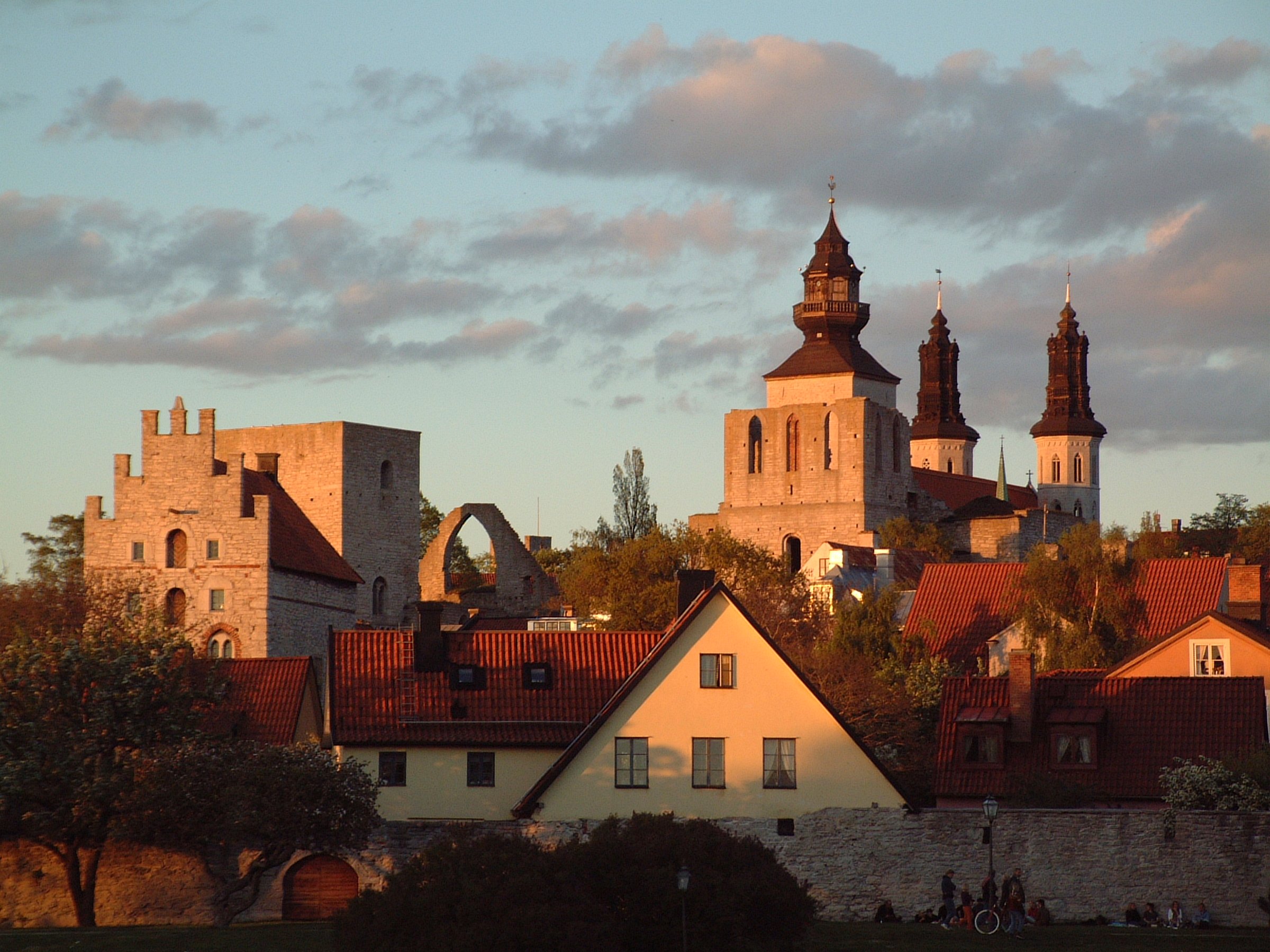
Years later, when I first arrived on Gotland as a young woman traveling on my own, something inside me shifted. I remember walking through the medieval streets of Visby and suddenly thinking, My God, this is where we're from. It was not an intellectual realization. It was something I felt in my body.
That distinction has become increasingly important to me over the years. Many of us know where our ancestors came from. Fewer of us understand what it feels like when a place continues to live inside a family long after migration.
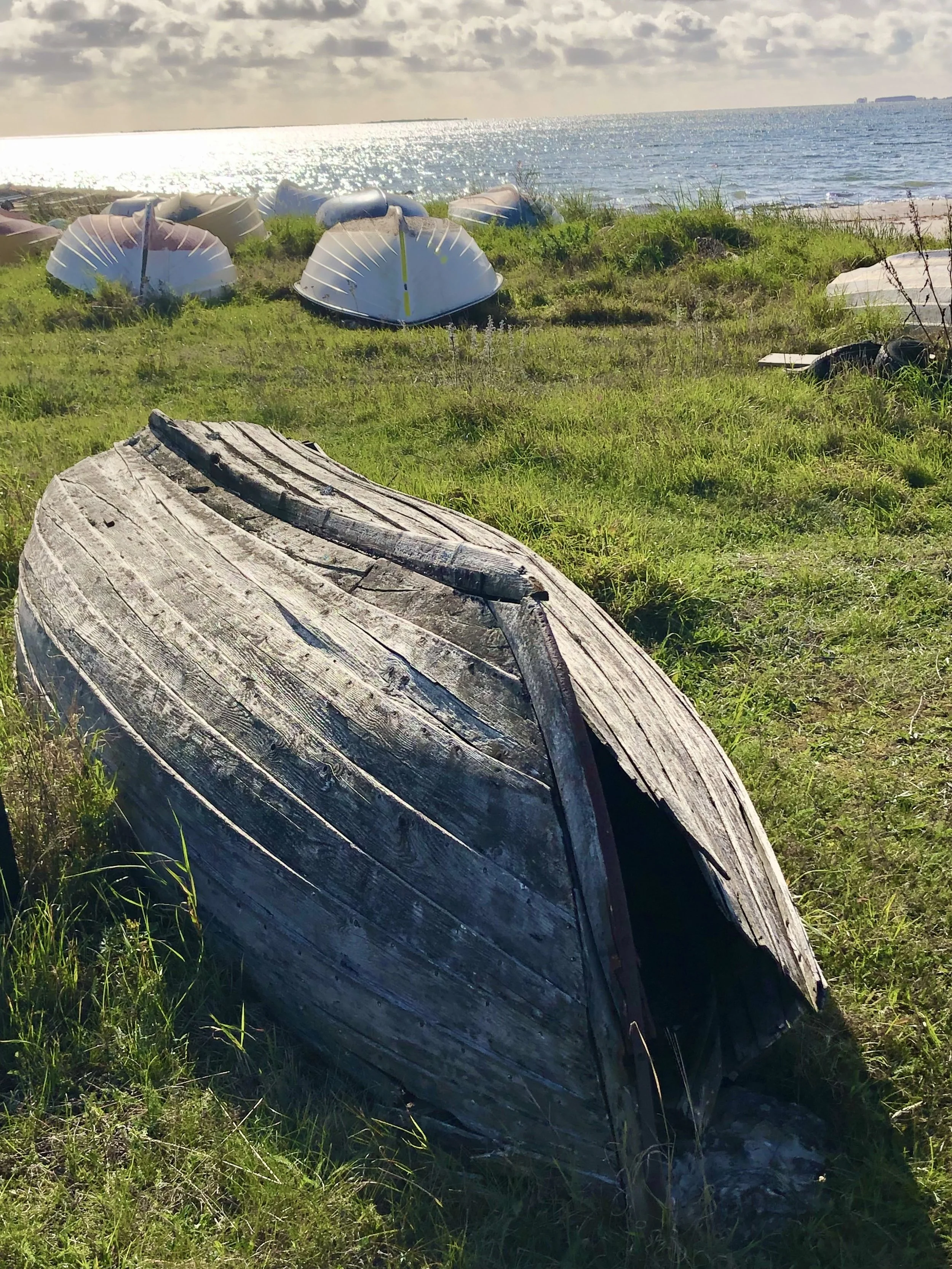
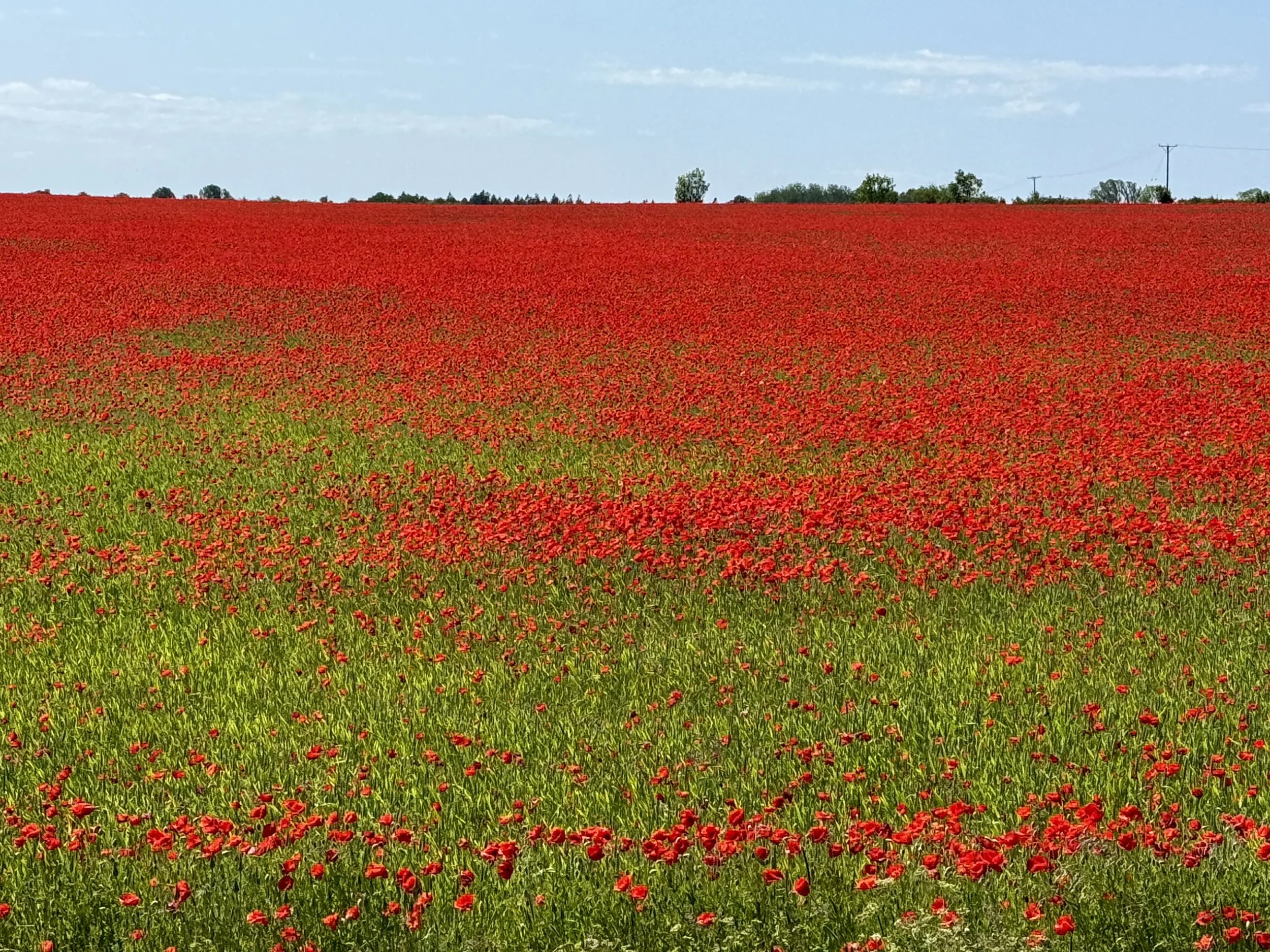
There are sensory experiences that immediately tell me I am home. The smell of the Baltic Sea. The scent of Gotland wool. The endless Nordic summer light stretching late into the evening. Fields erupting with poppies and wildflowers. Sheep grazing quietly along stone fences. The hum of bees moving through enormous lilac bushes near the ancient labyrinth at Trojaborg.
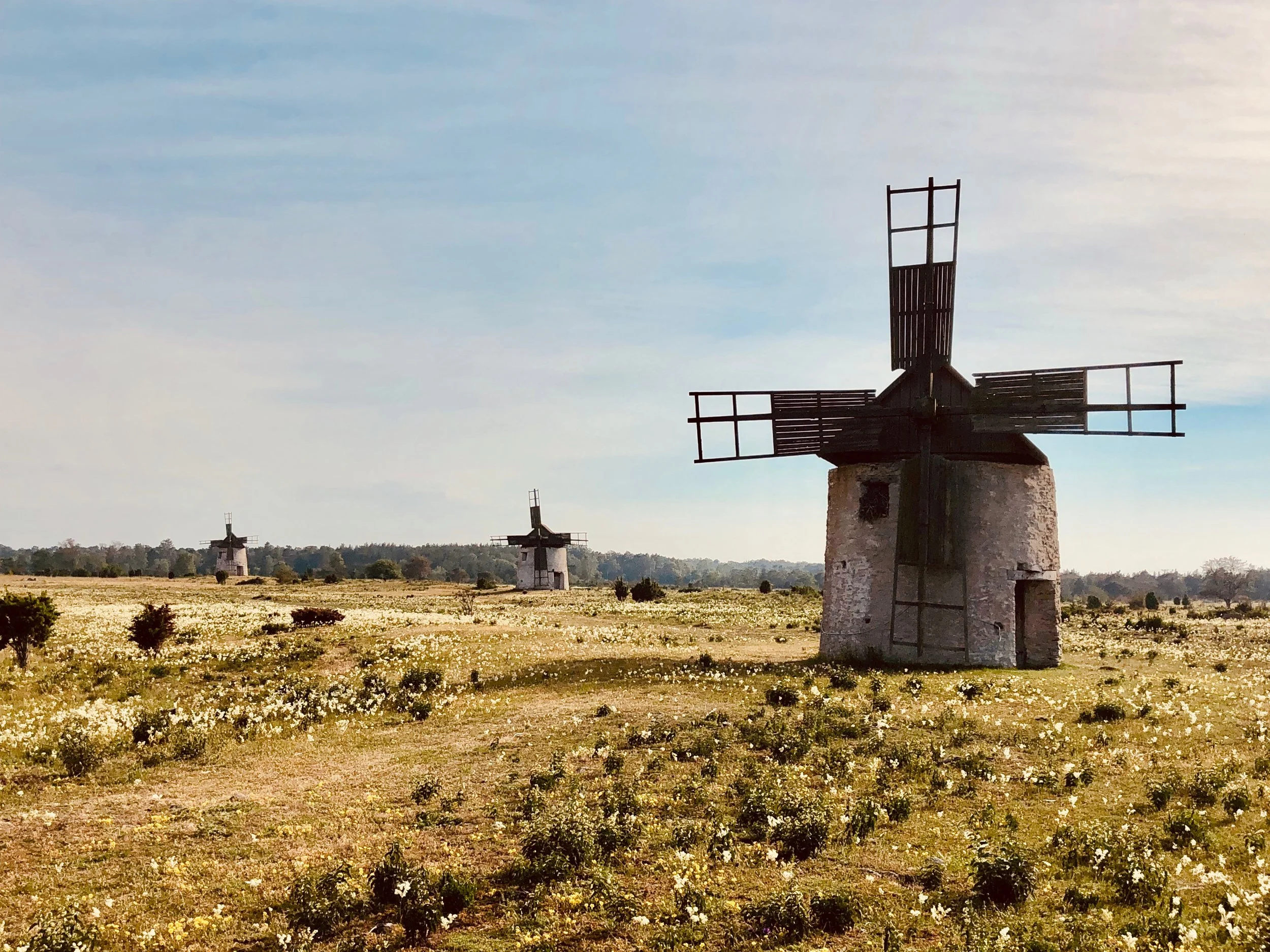
There is a quality of light on the island unlike anywhere else I have experienced. In summer, the days seem almost endless. In winter, a blue softness settles over the landscape. The island changes with the seasons, and somehow those seasonal rhythms continue to live inside me.
The Rhythms We Inherit
The older I become, the more I understand that places shape us. They teach us rhythms. They influence how we move through a day, how we gather, how we celebrate, how we rest, and how we create.
My family's relationship to gardening, seasonal living, handcraft, hospitality, and summer itself did not begin in Oregon. Those rhythms came with them from Gotland. The island lives in the way we learned to inhabit the world.
There are places on Gotland where I feel my ancestors most strongly. The churchyards where generations of my family are buried. The roads my great-grandmother once traveled by horse and wagon carrying fish into town. The fishing villages where she worked long and difficult days. The family homes I still pass each summer. Ancient labyrinths along the coast. Forests filled with wild orchids and old stories.
When I walk through those churchyards, what I feel most strongly is not grief but continuity. I feel respect for those who came before me. I feel tenderness. I feel responsibility. These were the people who carried traditions forward and handed them to us. It is now our task to remember.
To Care Is Better Than To Own
There is an old Gotland proverb that has stayed with me for many years: Akti ger mer än makti — to care is better than to own.
The older I get, the more wisdom I find in those words. They speak to a way of relating to the world that feels increasingly important: caring for a place rather than possessing it, participating in a tradition rather than controlling it, stewarding something rather than claiming ownership over it.
That philosophy lives quietly beneath much of what inspires me today. It lives beneath my work with sound and listening. It lives beneath my love of labyrinths. It lives beneath my belief that beauty, creativity, and attention are not luxuries but essential parts of a meaningful life.
Creativity as a Way of Life
Perhaps that is part of why I feel so alive creatively when I am there.
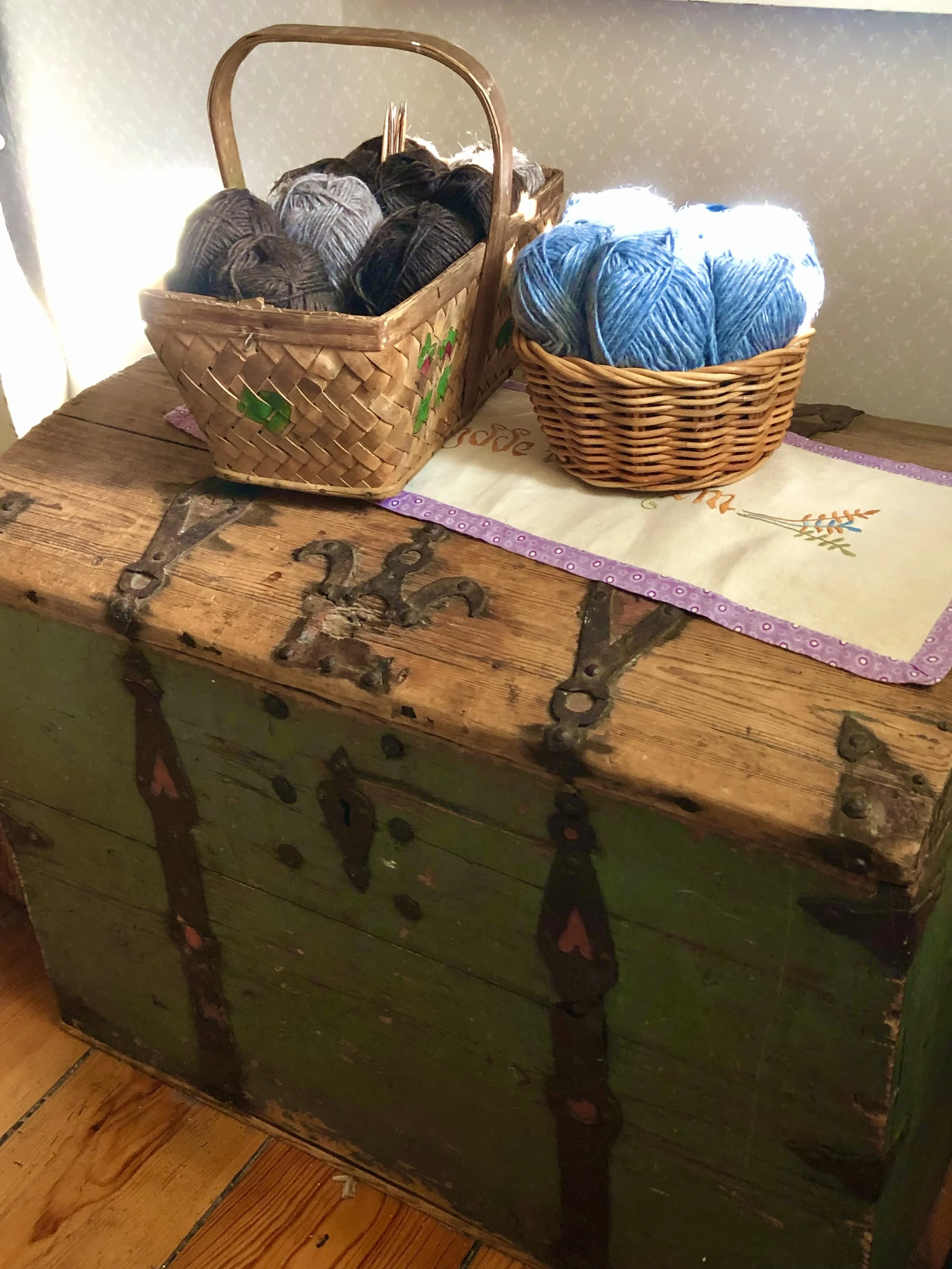
On Gotland, creativity is woven into daily life. People knit, felt wool, preserve food, gather berries, tend gardens, make things with their hands, and share long meals outdoors. Beauty is not separated from ordinary living. It is simply part of being human.
I find myself writing more there. Listening more carefully. Paying attention differently. My body relaxes into a rhythm that feels both ancient and familiar. There is a joyfulness I experience on the island that is difficult to explain unless you too have known a place that recognizes you completely.
The Island Recognized Him Too
One of the greatest gifts of returning to Gotland has been sharing it with my children.
The first time I brought my son to the island, he was eight years old. As the plane began its descent, he suddenly started crying quietly beside me. When I asked what was wrong, he looked out the window and said, “I feel like I'm coming home.”
He had never been there before.
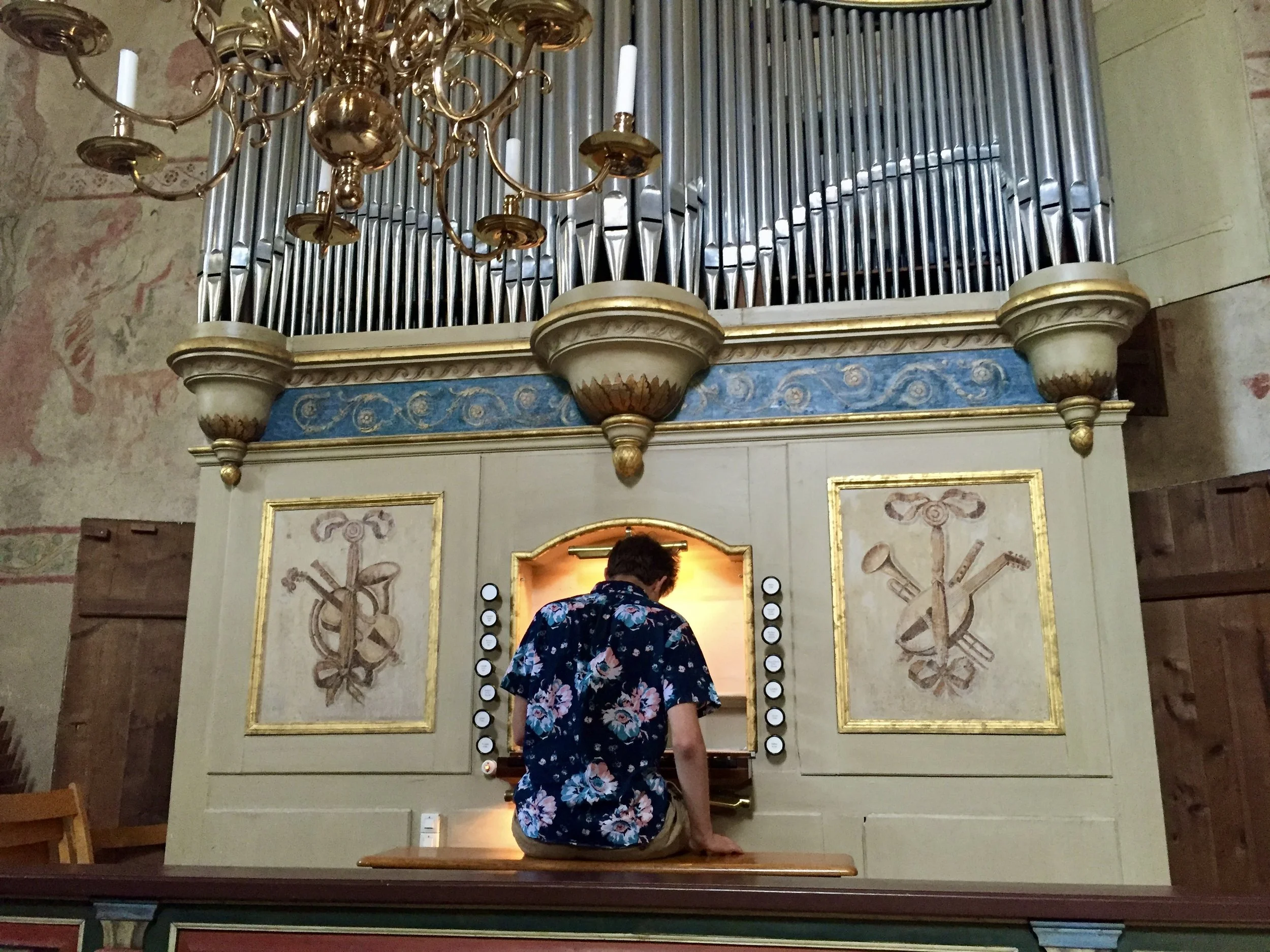
Years later, he would insist that we stop at nearly every ancient Gothic church we passed. During the summer months, many of these churches remain open, welcoming visitors into their cool stone interiors. Most contain old pipe organs, and though he never studied organ formally, he would sit down and begin playing Bach by ear. The music would rise through sanctuaries that had held centuries of prayers, weddings, funerals, and songs.
Sometimes I think the island recognized him too.
Creating New Memories
Over the years, my children and I have created our own layer of memories there. We have celebrated Midsummer beneath the long Nordic light, wandered medieval streets, walked labyrinths, swum in the Baltic Sea, visited relatives, shared meals outdoors, and slowly added our own stories to a place already rich with memory.
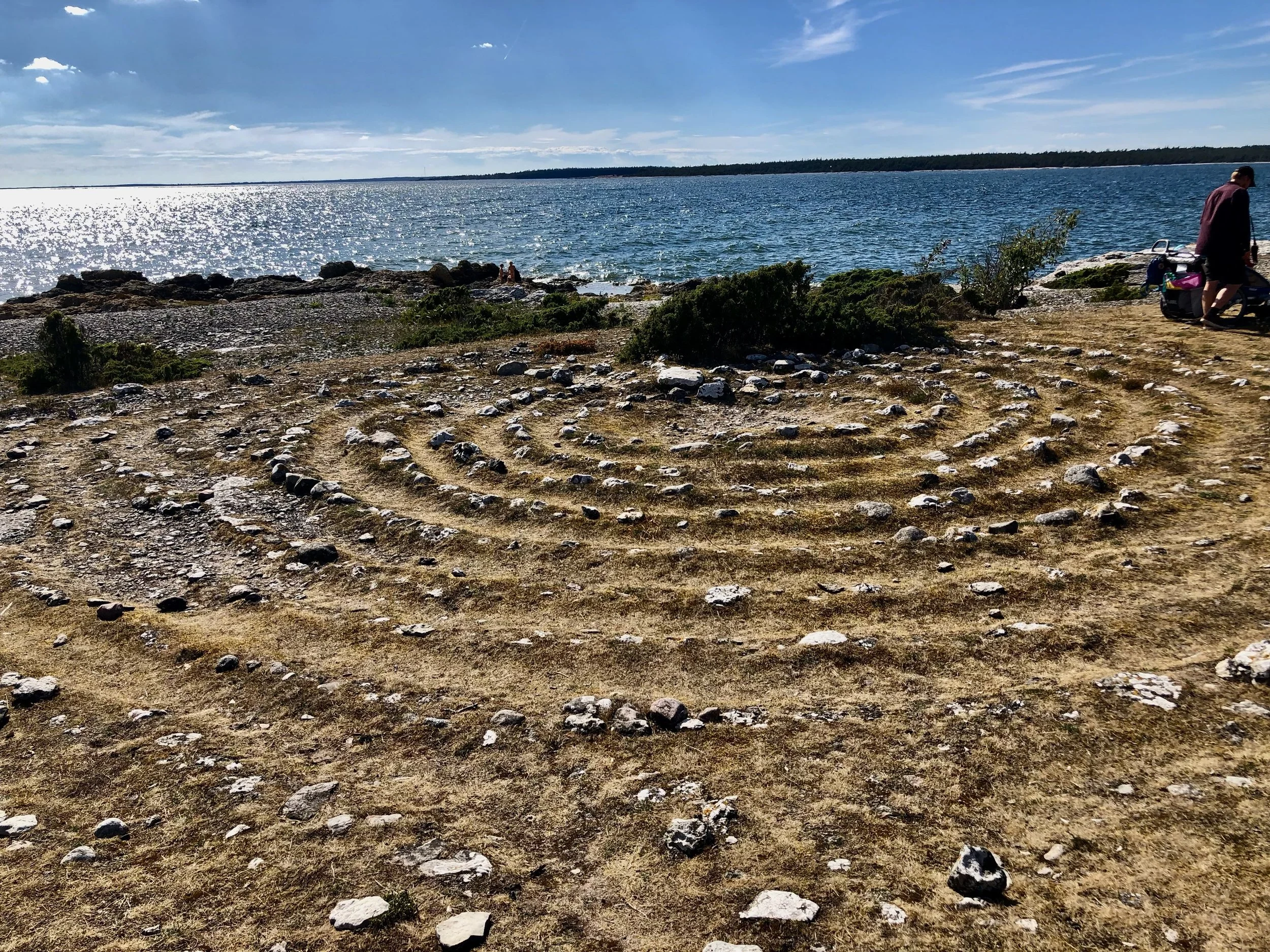
Gotland holds more historic labyrinths than anywhere else in Sweden, and walking them has become woven into the rhythm of our family summers. The island's medieval churches, nearly one hundred of them, stand scattered across the countryside like quiet witnesses to centuries of human life.
These days, I also have the joy of sharing Gotland with others through the annual labyrinth retreat I co-lead each summer. There is something deeply meaningful about introducing people to a place that has given me so much. Watching them encounter the landscape, the churches, the labyrinths, and the long Nordic evenings reminds me that places have the power to change us when we enter into relationship with them.
Returning Again
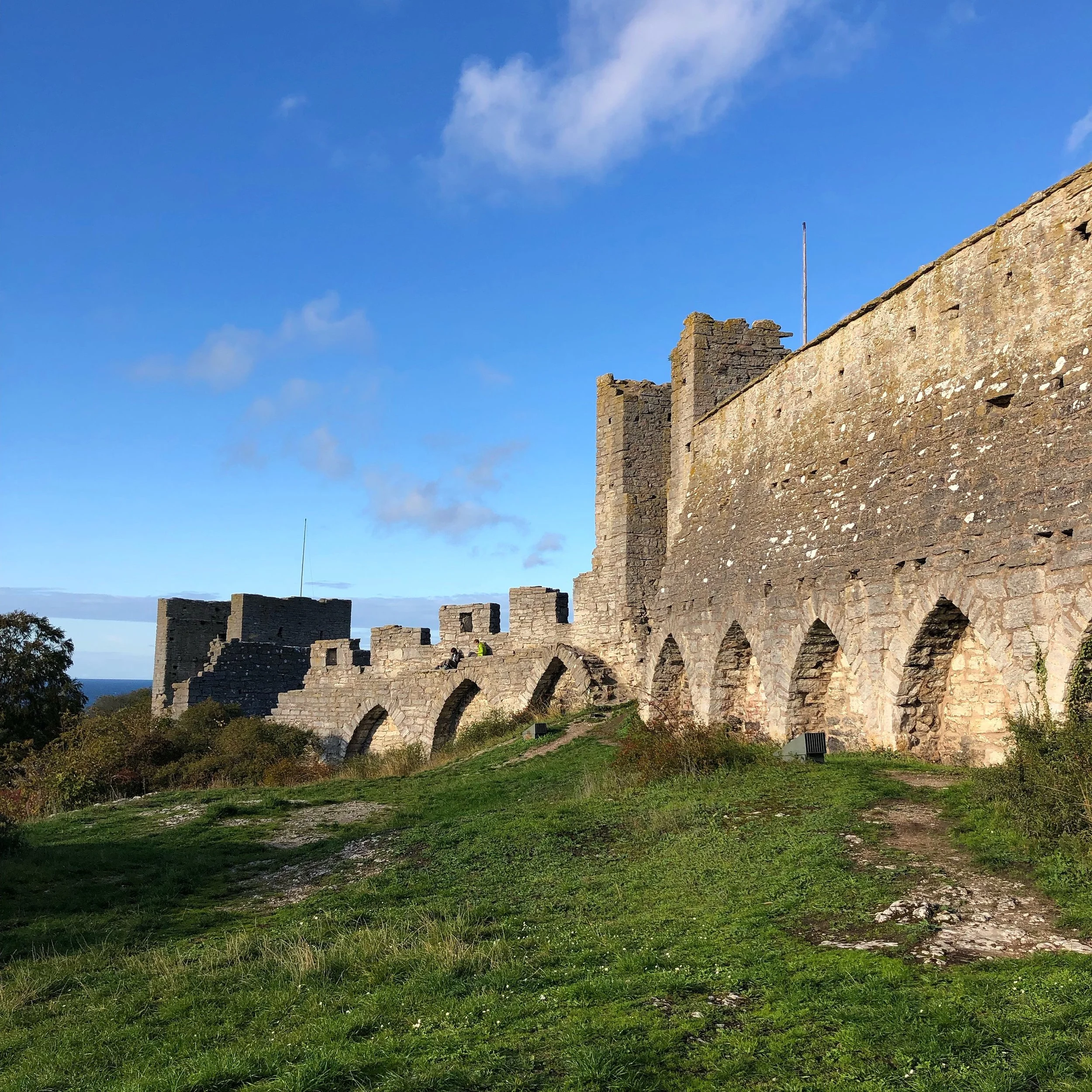
Every year when it is finally time to leave, I feel grateful. Not sad. Never truly sad. There is always a quiet knowing that I will return. The sea will still be there. The flowers will bloom again. The churches will stand beneath the changing sky. The labyrinths will wait quietly beside the shore.
Perhaps that is why certain places become sacred to us. They remind us that belonging is not something we have to earn. Sometimes it is something we inherit. Sometimes it is something we cultivate. And sometimes it is waiting for us in a landscape that remembers our story long before we arrive.
As I prepare to return to Gotland once again, I find myself grateful for that remembering. Grateful for the red thread that stretches across generations. Grateful for the people who came before me. And grateful for a place that continues to remind me who I am.
