
Feeling Mentally Drained?
Powerful Habits to Reset Through Journaling, Human Design & Music
If you’ve noticed an uptick in the days when you feel fatigued and burnt out, you’re not alone. In fact, according to the American Psychological Association, around 75 percent of Americans report physical or emotional symptoms related to stress, citing personal finances and inflation, heavy workloads, health concerns, and political news as factors. Between a high-pressure job, the endless scroll of information, and the quiet weight of everyday responsibilities, it's easy to reach a point where your mind simply runs out of room.

The good news? Feeling emotionally and mentally drained isn't a permanent state. This kind of fatigue is a signal sent by your body and mind that it’s time to slow down, pay attention, and reset. And you have more tools for that reset than you might realize, starting with three practices that work beautifully together: journaling, music, and exploring your Human Design makeup.
Recognizing the Signs of Mental Fatigue
Before beginning any restorative practices, take a moment to recognize what mental fatigue looks like in your day-to-day life. Common symptoms include:
Difficulty concentrating
Increased irritability
A persistent feeling of overwhelm, even when your to-do list looks manageable
Feeling tired no matter how much sleep you’re getting
Unintentional shifts in eating habits
Signs of emotional exhaustion often show up physically, too. You might carry tension in your shoulders, notice an increase in headaches, or have difficulty falling or staying asleep. Your mental and physical health are deeply connected, so when one starts to slip, the other often follows close behind. Learning to notice these physical and emotional cues early gives you the chance to respond before you reach full burnout. If what you're experiencing feels persistent or severe, it's worth reaching out to a mental health professional. But for the everyday depletion that builds up from ordinary life, there are gentle, accessible practices you can lean on right now.

Journaling as a Doorway Back to Yourself
When you're mentally exhausted, your thoughts can feel like a knotted rope. Journaling helps loosen that tangle. Putting pen to paper, even for five minutes a day, creates distance between you and the noise in your head, so you can see your thoughts instead of quietly ruminating on them.
Your journaling practice doesn’t need to be perfect. For starters, write down whatever is loudest in your mind first thing in the morning, or end your day by naming one thing that felt heavy and one thing that felt good. Over time, this kind of daily reflection becomes a moment of meditative pause and an opportunity to unburden yourself from whatever is weighing on your mind.

Music and Sound as a Reset for the Nervous System
Sound has a direct line to your nervous system. Certain frequencies and rhythms can help you shift from a stressed, scattered state to calm and grounded, which is why so many people instinctively reach for music when they feel drained. Try these ways of using music and sound as healing tools:
Build a short playlist that you can access in moments when you feel overwhelmed, perhaps something slow and steady for winding down in the evenings and something with more movement and energy for mornings when you need to shake off the fog.
Attend a sound bath session or a drum circle. Whether you're drawn to the active, energizing pull of a drum circle or the passive, restorative stillness of a sound bath, both offer a way to reconnect with your body when your mind feels overloaded.
Pairing music with journaling to deepen the effect. Play a piece of music, then write freely about any memories, emotions, or images that arise. This combination taps into both language and vibration, giving your mind and body two different pathways back to calm.
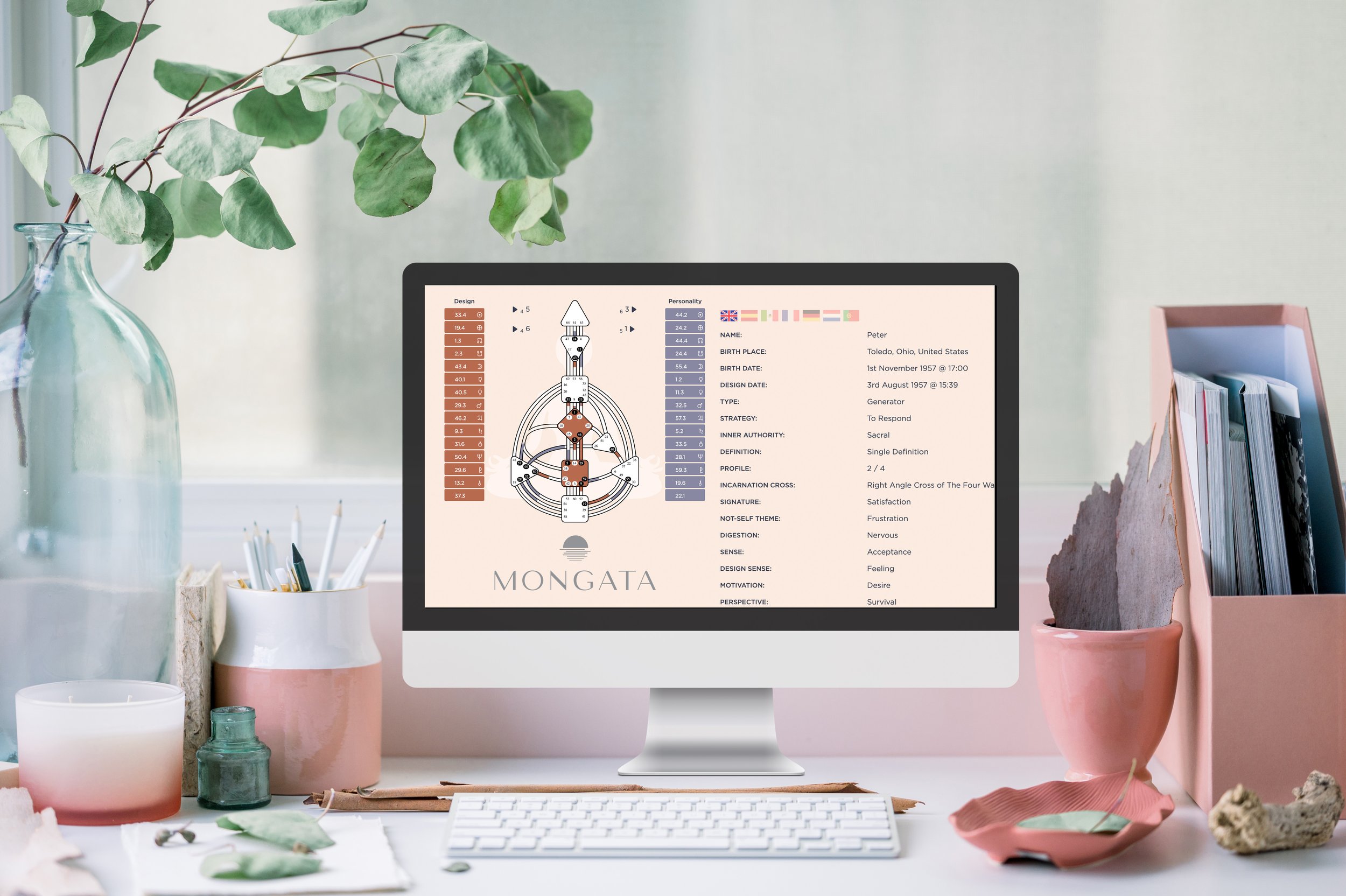
Letting Human Design Guide Your Practice
Human Design offers a map for how you, specifically, are built to process and create. Your chart reveals your energy type and authority, which shape how you're meant to move through decisions, rest, and self-expression. When you bring that awareness into your journaling and creative habits, you stop forcing a practice that isn't effective for you.
Using your Human Design as an energetic blueprint can help shape how you process emotion, structure your restorative creative practices, and express yourself through writing and music. A Projector, for example, might journal best in short, focused bursts paired with music that invites rest, while a Generator might need movement and rhythm to work through what's stirring inside. Aligning your listening and writing habits with your type and authority can help you bypass creative blocks and access a deeper, more honest version of your musical and creative voice. If you haven't yet, get your free chart and explore your inherent framework today.

Small, Consistent Habits Make the Difference
Resetting from mental fatigue doesn’t happen all at once. Making small, repeated choices—a few minutes of journaling, a walk or other physical activity to move stagnant energy, a song that helps you exhale—will help you gradually recover from brain fog and burnout. Pay attention to what your body asks for on a given day, and let your Human Design remind you that your path to feeling grounded doesn't have to look like anyone else's.
Later this year, Mongata will launch a new sound bath experience designed around this philosophy. Featuring themed music, a guided journaling session, and Human Design chart readings, these sessions will be an invitation to reset with intention. Keep an eye on our offerings page for details as the launch date approaches.
Frequently Asked Questions
How do I know if I'm mentally drained or dealing with something more serious?
Everyday mental fatigue tends to ease with rest and small resets. If exhaustion is persistent, affects your daily functioning, or comes with feelings of hopelessness, it's worth talking to a mental health professional for support beyond self-care.
How does Human Design help with journaling?
Your Human Design chart reveals your energy type and authority, which shape how you naturally process thoughts and emotions. Journaling in alignment with your type helps the practice feel natural instead of forced, making it easier to sustain.
What kind of music is best for emotional exhaustion?
There's no single right answer. Slower, steady rhythms tend to calm; more dynamic music can help release pent-up energy. Experiment and notice what genuinely shifts how you feel.
Can journaling alone reduce mental fatigue?
Journaling won't eliminate every source of stress, but consistent practice helps you process emotions before they build up. Paired with rest, movement, and sound, journaling becomes one part of a well-rounded reset routine.
