
What Is a Full Moon Drum Circle? A Beginner's Guide
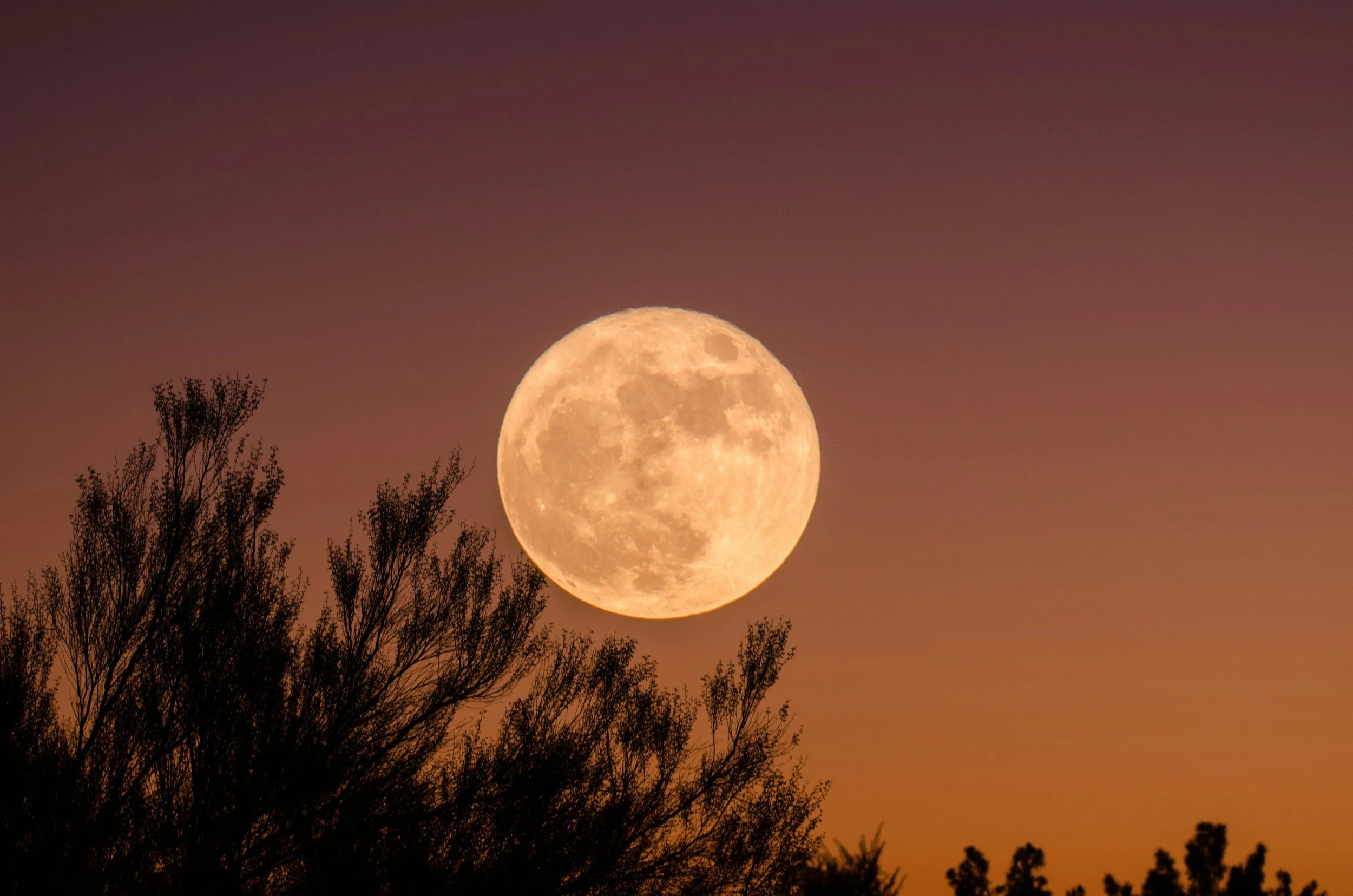
Across astrological and spiritual traditions, the full moon has long been considered a moment of culmination; the point in the lunar cycle when whatever has been building over the previous weeks is fully illuminated. Astrologers often look to the full moon as a time of heightened emotion and clarity, when intentions set at the new moon reach their peak and reveal what's ready to be released. Many spiritual practices treat this phase as an invitation to pause, reflect, and let go. One way to harness this lunar power is through a full moon drum circle, which pairs the ancient tradition of group drumming with the reflective energy the full moon carries. If you've felt drawn to this kind of ritual, this guide walks through what to expect, just in time for the moon on September 26.
What Is a Full Moon Drum Circle?
During this rhythm-based gathering, a group comes together to play percussion instruments, move energy through the body, and set intentions for the lunar cycle ahead. Full moon drum circles draw from the same lineage as traditional drum circles, but they’re anchored to the full moon as a moment of culmination and release.
A drum circle held under a full moon often carries a different charge than a daytime or indoor session. Typically starting just as the sun sets, the tempo and intensity tends to build as the evening goes on, moving from a slow, grounding pulse into a more energized cadence as the moon ascends in the sky. Over time, individual playing tends to melt into a collective sound.
Types of Full Moon Drum Circles
Not every full moon drum circle looks the same. Many circles are targeted toward specific groups, intentions, and preferences.
Ceremonial full moon circles draw more directly from earth-based and culture-specific traditions, often incorporating intention-setting, prayer, or ritual elements alongside the drumming itself.
Women's or gender-specific circles create a safe space for certain identities and are often centered on themes of release and collective support.
Wellness or therapeutic full moon circles are typically facilitated with emotional regulation and nervous system support in mind, sometimes led by a music therapist trained in using rhythm for healing.
Community full moon circles are open to all backgrounds and experience levels, emphasizing connection and shared celebration over any particular tradition or outcome.
The Flow of a Full Moon Gathering
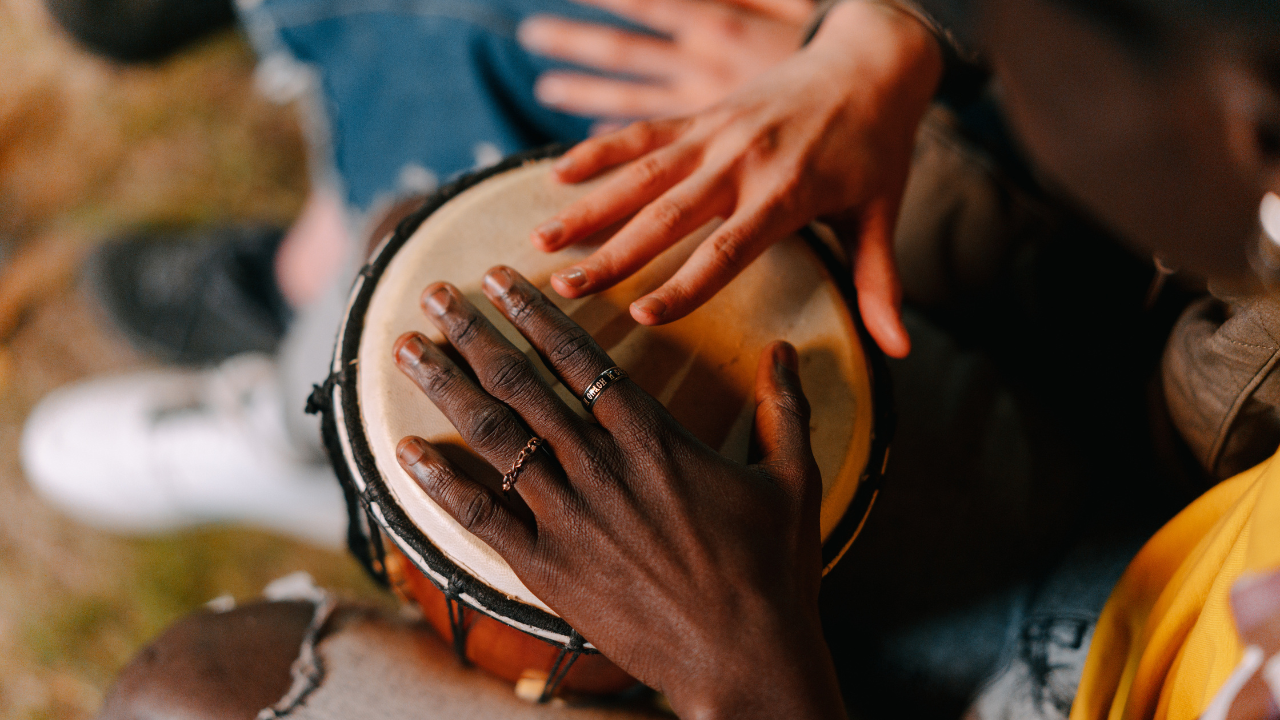
Most full moon circles follow a loose arc from opening to close. Things typically begin as the group gathers and settles in, often with a moment of intention-setting or a few grounding words. From there, the drumming begins and the rhythm tends to build gradually and pick up energy as more people join in. Some circles mark the peak of the gathering with a moment of shared stillness, followed by an open, unstructured burst of sound to release built-up emotion. As the night winds down, the rhythm typically softens again, giving the group space to integrate the experience before parting ways.
Along the way, you'll likely encounter a mix of percussion instruments, including hand drums, shakers, rattles, and other culture-specific instruments depending on the group's tradition. Many circles also use playful rhythm games or simple call-and-response patterns to help newcomers ease in without pressure.
The Role of the Facilitator
While some circles unfold organically, many full moon circles are led by a dedicated facilitator, or occasionally by a music therapist who brings a more clinical, healing-centered lens to the event. Skilled facilitators read the energy of the room, know when to build intensity and when to soften, and hold space for participants with varying comfort levels.
Benefits of Joining a Full Moon Drum Circle
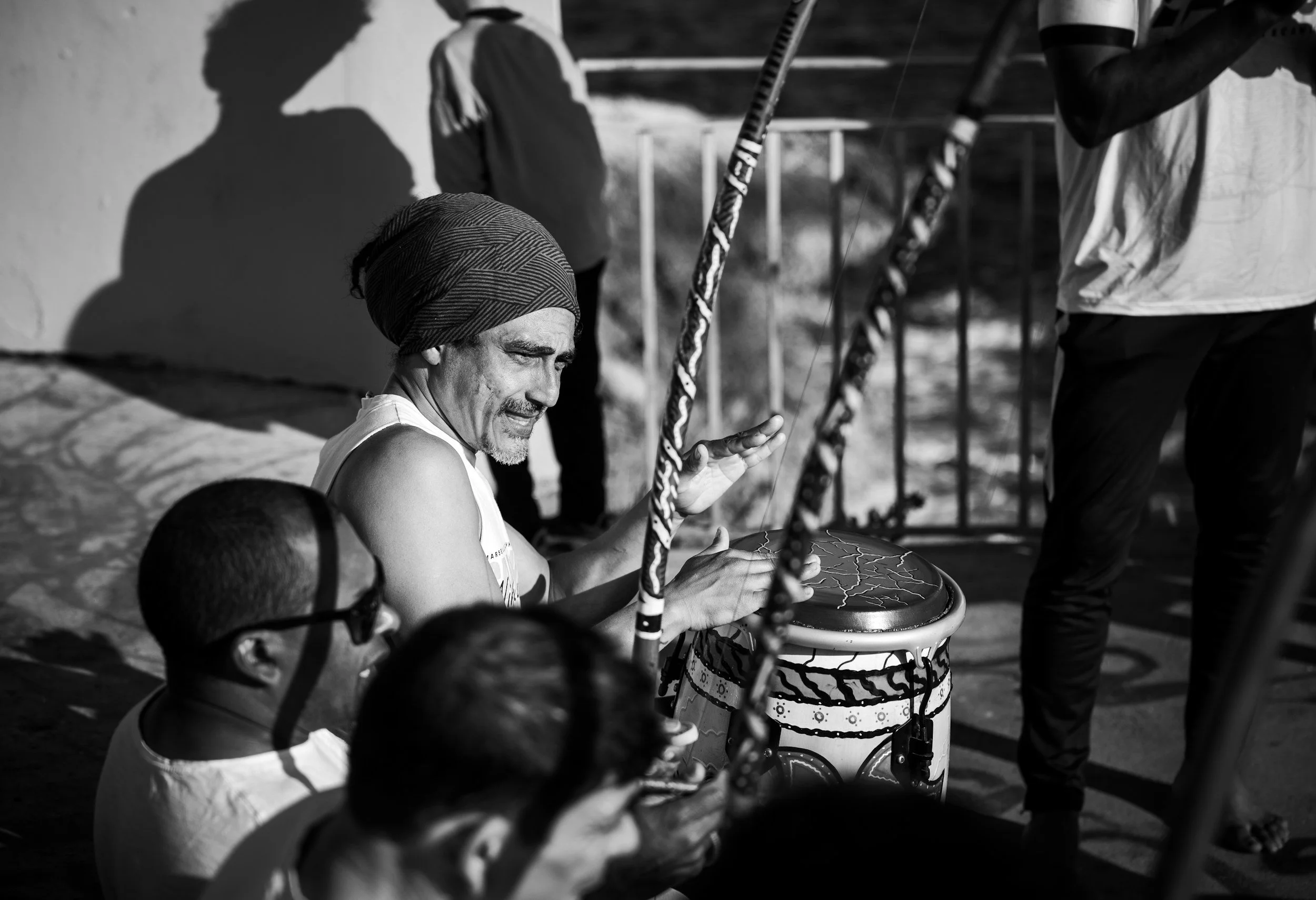
If you’ve been feeling mentally drained or stuck, a full moon circle may help you release static energy and emotion. Group drumming has been linked to reduced stress, a stronger sense of community, and greater emotional expression. Layered onto the full moon's symbolism of release and renewal, many people find these circles offer a natural checkpoint to process what's arisen since the last full moon and reset intentions for the weeks ahead. For some, it becomes a grounding monthly ritual.
How to Prepare for Your First Full Moon Drum Circle
Come with an open mind. You don't need rhythm experience or a specific belief system, just a willingness to participate.
Dress for the outdoors. Many circles run into the night, so bring a layer and dress for comfort and movement.
Bring a simple intention. You don't need to share it aloud, but having something in mind can help you settle in.
Let go of perfectionism. There's no correct way to drum. The goal is presence and community.
Stay open to how you feel afterward. Emotional release can be immediate or can surface gradually over the following days.

Mongata Studio Experiences
If you're curious about sound or breathwork practices or experiences like drum circles that help you feel deeply and live fully, keep an eye on our offerings and events page, where we’ll share updates about upcoming events at Mongata’s new healing space in Madison, Connecticut.
Frequently Asked Questions
What is a full moon drum circle?
A full moon drum circle is a gathering timed to the full moon, where people play percussion instruments to release static energy, set intentions, and build community.
Do I need drumming experience to join?
No experience is necessary. Full moon drum circles welcome all skill levels, and many use simple rhythm games to help newcomers ease in. The focus is on presence and participation, not technical skill.
What should I bring to a full moon drum circle?
Comfortable, weather-appropriate clothing is usually all you need. Some circles provide percussion instruments, though you're often welcome to bring your own. An open mind and a loose intention are the most important things to bring.
