
Monochord: The Ancient Instrument Bringing Sound, Science, and Healing Together
The monochord is one of the oldest and most fascinating instruments in human history. For more than 2,500 years, this remarkable instrument has helped people explore the connection between sound, science, and consciousness. What began as a tool for understanding musical relationships has evolved into a tool used in sound therapy, meditation, and healing practices around the world.
As a professional musician, certified sound practitioner, and breathwork facilitator, I have spent years exploring how sound can support emotional well-being and self-awareness. Among the many instruments I work with, the monochord continues to be one of the most profound for creating experiences of relaxation, presence, and inner harmony.
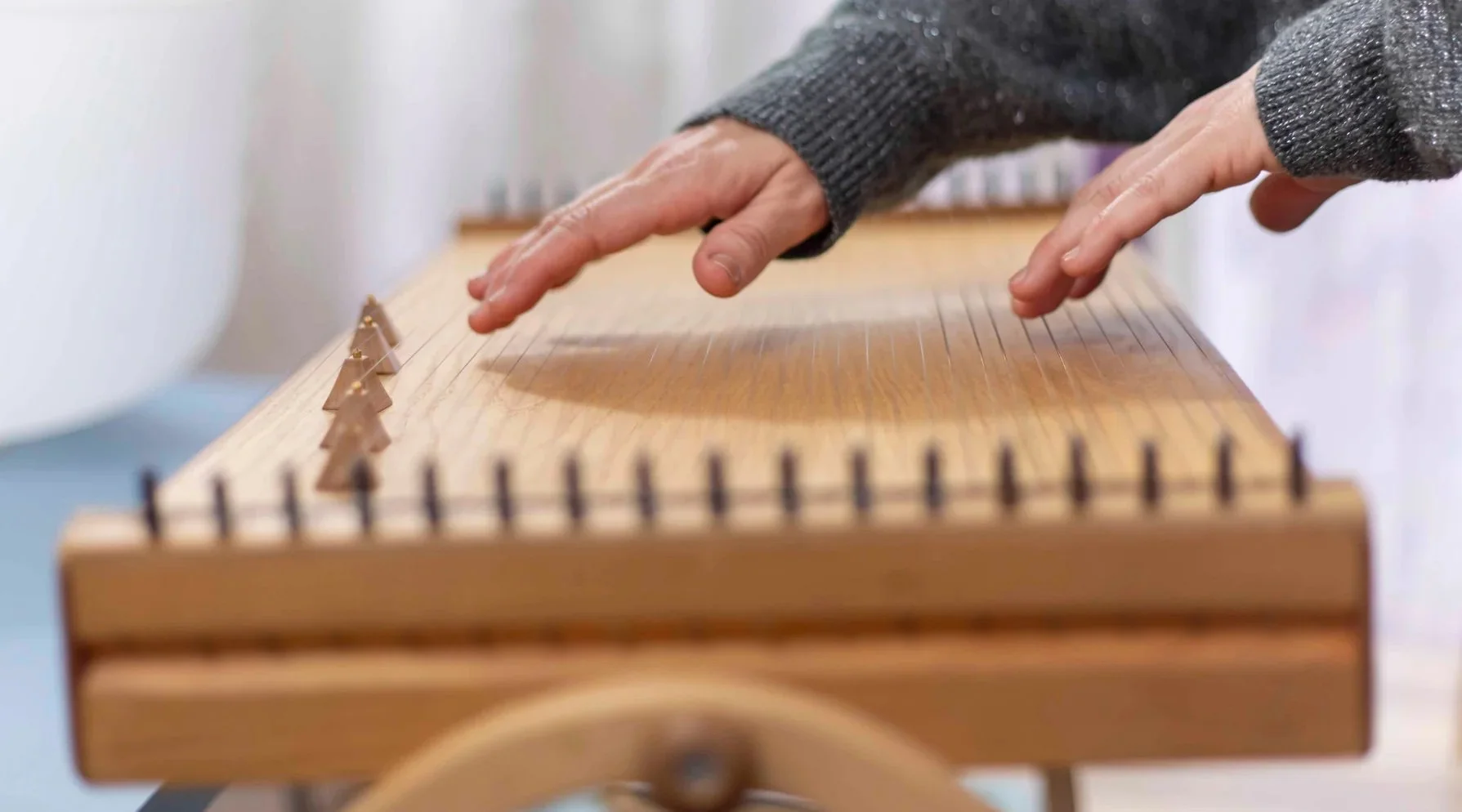
What Is a Monochord?
Historically, a monochord was a stringed instrument that consisted of a single string stretched across a resonating body. The name itself comes from the Greek words monos (one) and chordē (string), meaning one string.
The monochord was less of a performance instrument and more of a musical and scientific tool. The instrument enabled early scholars to investigate the relationships between vibration, pitch, and harmony. By changing the length of the string and observing the resulting sounds, they began to uncover the mathematical foundations of music.
Today, modern monochords often feature multiple strings tuned to the same note or harmonic relationship, creating a rich tapestry of overtones and resonance. While they retain their connection to musical theory and acoustics, they are now widely appreciated for their therapeutic and meditative qualities.
Pythagoras and the Monochord Instrument
The origins of the monochord instrument are most often associated with the Greek philosopher and mathematician Pythagoras. More than 2,500 years ago, he is said to have used a monochord with a single string to investigate the relationship between sound, vibration, mathematics, and harmony.
Using a movable bridge, Pythagoras divided the string into different lengths and observed how each division affected the pitch produced. Through this experimentation, he discovered numerical ratios that form the foundation of musical intervals and tuning systems still recognized today.
For example, dividing the string in half produces a pitch one octave higher than the original note. Other divisions revealed relationships that became the basis of harmony, scale construction, and tuning theory.
This simple instrument demonstrated that music is not only an artistic expression but also a reflection of mathematical order. The monochord became one of the most important tools for understanding the relationship between sound and the natural world.
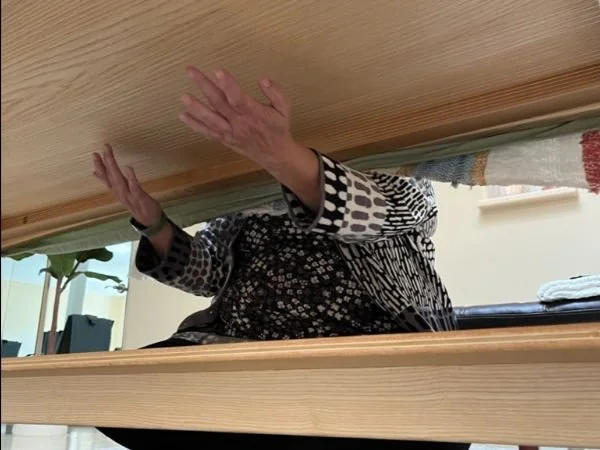
Valarie tunes a monochord bed.
How a Monochord Creates Sound
Unlike many instruments that produce multiple notes and chords, the monochord creates an immersive field of resonance and overtones.
When the strings are strummed, they produce a continuous wash of sound filled with harmonic frequencies. These harmonics interact with one another, creating a shimmering sonic experience. The resulting sound includes both the fundamental tone and naturally occurring high notes that emerge from the overtone series. These subtle frequencies contribute to the instrument's distinctive character and are often perceived as soothing, ethereal, and deeply calming.
Because many strings vibrate together, the listener experiences not only sound through the ears but also vibration throughout the body. This combination can create a deeply embodied listening experience that encourages relaxation and presence.
The Monochord and Sound Therapy
While the monochord has ancient origins, it has found an important place in modern wellness practices. In sound therapy settings, the instrument is valued for its ability to create a sustained field of resonance that supports nervous system regulation, meditation, and deep rest. Many people report feeling calmer, more grounded, and more connected to themselves after experiencing monochord sound.
The layered tones invite the body into a state of listening that is both passive and profound. Rather than asking the mind to focus or analyze, the sound encourages a natural shift toward spacious awareness. For this reason, the monochord is commonly used during meditation, restorative practices, breathwork sessions, and therapeutic sound experiences.
How I Use the Monochord at Mongata
At Mongata, the monochord is one of the primary instruments I use in my sound therapy practice. My FeelTones monochord table features sixty strings stretched across a resonating body. During sessions, clients lie comfortably on the instrument while it is played. This unique experience allows the vibrations and overtones to travel throughout the entire body rather than being heard solely through the ears.
The effect is often deeply restorative. Many clients describe a sense of spaciousness, relaxation, and heightened awareness. The combination of physical vibration and immersive sound creates an opportunity to slow down, soften, and listen more deeply.
As someone who works at the intersection of music, breathwork, and energy, I find the monochord offers a unique pathway into stillness. The instrument invites people beyond mental activity and into a direct experience of vibration and presence.
The FeelTones Monolina
In addition to the monochord table, I also work with a FeelTones Monolina. The Monolina is a smaller monochord instrument that can be played directly on the body during individual sessions. Its gentle vibrations offer a grounding and supportive experience that complements other therapeutic modalities.
Despite its smaller size, the Monolina produces the same rich overtone spectrum that makes monochords so captivating. Clients often experience the vibrations as comforting, steady, and deeply soothing. The portability also allows it to be incorporated into a wide variety of settings, making it a versatile addition to both therapeutic and educational environments.

The Monochord in Sound Baths and Meditation
One of the reasons I love working with the monochord is its ability to blend seamlessly with other instruments. The expansive resonance pairs beautifully with singing bowls, chimes, harp, and the human voice. The monochord creates a supportive sonic foundation that enriches the entire soundscape.
During sound baths and meditation experiences, its overtone-rich texture can help participants settle more fully into a state of receptivity and inner awareness. Because the instrument generates a continuous field of harmonics, it supports deep listening practices that encourage people to connect with the present moment.
The Monochord Today
The monochord occupies a unique place in the world of sound. It bridges ancient wisdom, modern wellness, science and spirituality. What makes this instrument so enduring is its simplicity. A concept that began with a single string and a movable bridge opened the door to understanding musical intervals, harmony, and resonance. Today, that same foundation continues to inspire musicians, educators, researchers, and sound practitioners.
The monochord reminds us that sound is more than entertainment. It is vibration, relationship, and communication. It has the power to influence how we feel, how we listen, and how we connect with ourselves and the world around us.
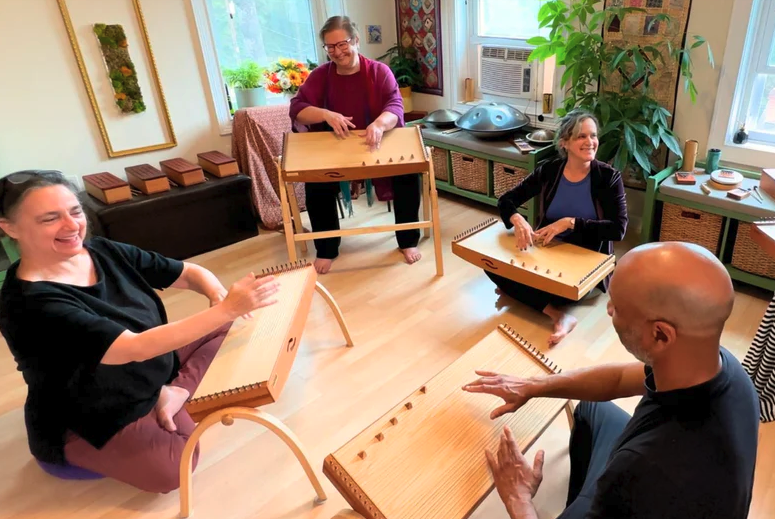
Experience the Monochord Facilitator Training
This August, Mongata is honored to host the FeelTones Monochord Facilitator Training.
Whether you are a sound practitioner, healthcare professional, musician, or simply someone drawn to the healing qualities of sound, this training offers a meaningful opportunity to explore the art, science, and therapeutic applications of these extraordinary instruments.
Participants will gain a deeper understanding of the monochord's history, acoustics, practical uses, and transformative potential. It is an invitation to explore how sound can support wellbeing while connecting with one of the world's most timeless and fascinating instruments.
The monochord has been teaching us about vibration, harmony, and human experience for thousands of years. Its voice remains as relevant today as ever, offering a pathway to deeper listening, greater presence, and a renewed appreciation for the profound relationship between sound and life.
