
How to Read a Human Design Chart
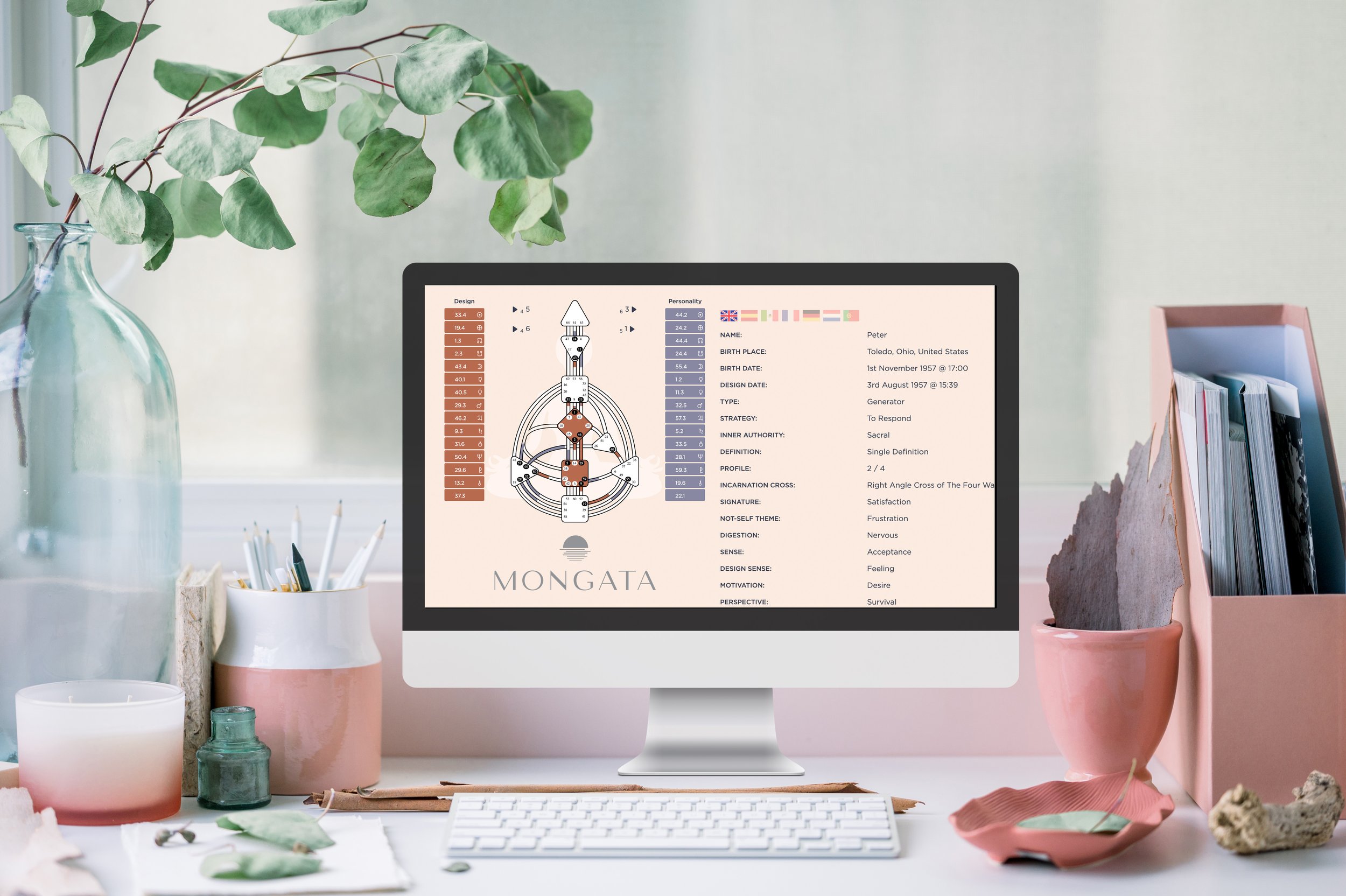
Whether you’re navigating a major life transition, feeling stuck in your relationship or career, or simply seeking a better understanding of your true nature, Human Design is a great tool for discovering more about your inner self and how to honor it. But when you pull up your chart for the first time, you may be overwhelmed by the geometric figure full of shapes, numbers, channels, and symbols that don't come with an obvious instruction manual.
This guide walks you through the core elements of reading a Human Design chart so you can begin to make sense of the complex, layered system and, more importantly, apply its takeaways to your everyday life.
What Is Human Design?
Human Design is a system for understanding how you are naturally wired to move through the world. Weaving together insights from multiple wisdom traditions, including astrology, the I Ching, the Kabbalah, and the chakra system, and the modern sciences of quantum physics and genetics. Your chart is a deeply personal map of how you make decisions, process energy, and engage with others.
Rather than prescribing who you should be, Human Design invites you to recognize what already works for you and where you tend to experience friction when you defy your natural design. Similar to an astrological birth chart, your Human Design chart is generated using your birth date, time, and place.
The Key Elements of a Human Design Chart
Each Human Design chart is composed of several intertwined layers:
1. Your Type
Your Human Design Type is the foundation of your chart and the most important starting point. There are five Types, each describing a different way of engaging with and contributing to the world around you:
Manifestor: The initiator. Manifestors are here to start something. They carry a powerful, independent energy and work best when they have the freedom to act without waiting for permission.
Generator: The builder. Generators are the life force of the Human Design system. They have access to lots of internal energy, but only when they're engaged in work that genuinely lights them up. The Generator's strategy is to respond rather than initiate, waiting for things in the environment to spark a "yes" from within.
Manifesting Generator: The multi-passionate creator. Manifesting Generators share the Generator's defined Sacral Center and life force energy, but they also carry some of the Manifestor's initiating quality. They move quickly, follow their excitement, and often pursue multiple paths at once.
Projector: The guide. Projectors are here to understand systems and to direct the energy of others wisely. Rest and recognition are central to their well-being, and they thrive when they wait for invitations before sharing their gifts.
Reflector: The mirror. A rarity, Reflectors make up only about 1 percent of the population. They take in and reflect the energy of those around them. Reflectors are deeply attuned to their environment and benefit from giving themselves time before making major decisions.
2. Your Strategy
Each Type comes with a Strategy, or the approach that tends to bring the most ease and flow when you're navigating decisions and opportunities.
Manifestors are here to inform the people around them before taking action, which reduces resistance and opens the way for smoother movement.
Generators and Manifesting Generators thrive when they respond to what arises in their environment, following the pull of their Sacral energy rather than forcing things forward.
Projectors are invited to wait for recognition and invitations before stepping into action, especially around big life decisions.
Reflectors find clarity by giving themselves time and engaging with people they trust before deciding.
When you're living in alignment with your Strategy, life tends to feel less like a struggle and more like a current you can move with.

3. Your Authority
If your Type tells you how you're designed to engage with the world, your Authority tells you how you're designed to make decisions. This is one of the most practical and immediately useful parts of your chart. There are several types of Authority in Human Design:
Sacral Authority: Common among Generators and Manifesting Generators, Sacral Authority means your gut response is your decision-making guide. That immediate "yes" or "no" sensation in the body carries more wisdom than any amount of mental deliberation.
Solar Plexus Authority: If you have a defined Solar Plexus Center, you're designed to ride the wave of your emotions before deciding. Clarity comes over time, not in a single moment, and honoring that rhythm is key.
Splenic Authority: Splenic Authority speaks in a quiet, in-the-moment way. It's a gentle intuitive knowing. Learning to trust and catch that voice before the mind takes over is the practice.
Ego/Heart Authority: Decision-making through the Heart Center has to do with desire and will. If it doesn't genuinely excite you, it's likely not the right path.
Self-Projected Authority (for Projectors): Clarity comes through talking things out. The sound of your own voice as you process aloud helps you find what's true.
Mental/Outer Authority (for Projectors and Reflectors): Decision-making happens through dialogue with trusted others. Not to take their advice, but to hear yourself speak and feel what resonates.
Lunar Authority (for Reflectors): Reflectors are invited to wait through a full lunar cycle before making significant decisions, allowing themselves to experience many emotional and energetic shifts before settling into clarity.

4. The Centers
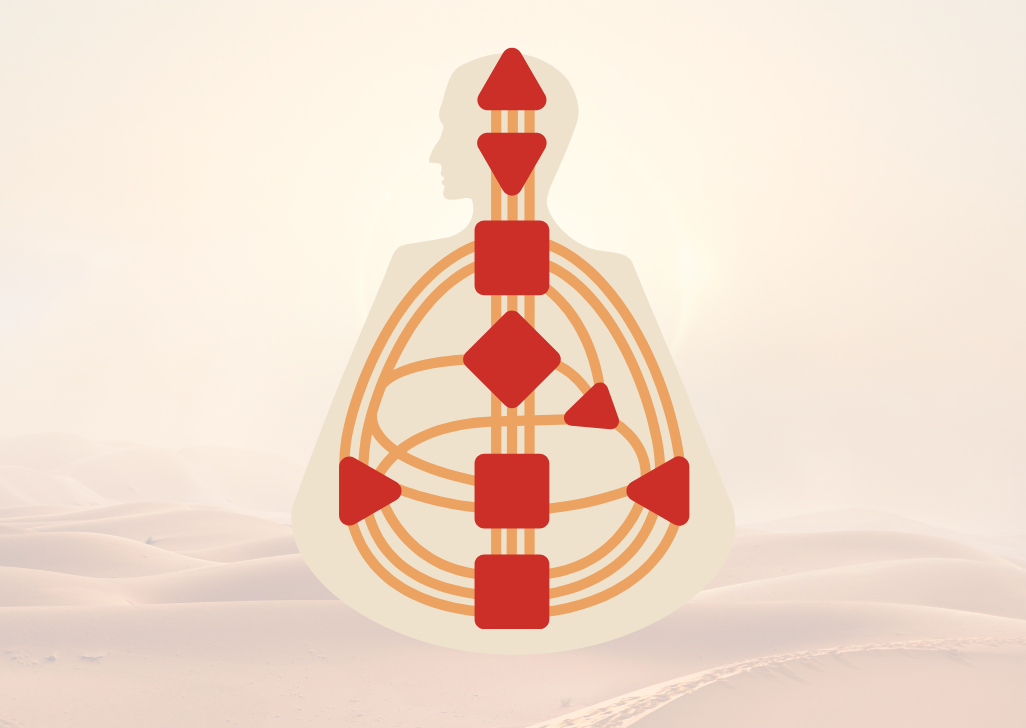
The BodyGraph at the center of your Human Design chart shows nine geometric shapes connected by channels. These are your energy Centers, and they correspond loosely to the chakra system. Each center governs a different area of life, from thinking and communication to emotional awareness and willpower. For example, the Root Center represents adrenaline and pressure, while the Throat Center represents communication and manifestation.
Centers can be either defined (consistently colored in) or open/undefined (white or hollow).
Defined Centers are areas of consistent, reliable energy in your design. The way that center operates is fixed and stable, meaning it's part of your true nature and something you bring to every situation.
Open Centers are areas where you're designed to take in and amplify the energy of others. They're places of learning, wisdom, and sensitivity, and they can also be where you pick up conditioning from the world around you.
5. Channels
Channels are the lines that connect two Centers in the BodyGraph. When both ends of a channel are defined, the whole channel is activated, creating a consistent quality or theme that flows through your energy field.
Channels describe specific talents, drives, and ways of being in the world. For example, a Channel connecting the Sacral to the Root Center brings a consistent, pressurized drive toward work and activity. A Channel connecting the Throat to the Heart Center gives consistent access to willpower in communication.
Each Channel carries its own story, and together, your defined Channels paint a picture of the consistent gifts and themes you bring to everything you do.
6. Your Profile
Your Profile gives context to how your life experiences tend to unfold and what you're here to embody. Consisting of two numbers (i.e. 1/3, 4/6, or 2/5), your Profile describes the role you're here to play in this lifetime. The six profile lines are drawn from the 64 hexagrams of the I Ching, and each carries its own archetypal quality:
Line 1 (Investigator): Needs a solid foundation of knowledge and research to feel secure.
Line 2 (Hermit): Naturally talented and somewhat reclusive; called out by others to share their gifts.
Line 3 (Martyr): Learns through trial and error; here to discover what works by first experiencing what doesn't.
Line 4 (Opportunist): Builds through connections and networks; their opportunities tend to come through relationships.
Line 5 (Heretic): Carries universal themes and is often seen as a problem-solver or guide by others.
Line 6 (Role Model): Lives in three distinct phases across a lifetime, ultimately becoming a living example for others.
7. Incarnation Crosses
Your Incarnation Cross is the deepest layer of purpose in your chart. It's made up of four Gates (specific points in the BodyGraph), two from the Conscious (Personality) side and two from the Unconscious (Design) side. Your Cross gives your life's direction a theme and shows how your energy is meant to contribute to the larger whole.
Incarnation Crosses carry names like the Cross of the Sleeping Phoenix, the Cross of the Vessel of Love, or the Cross of Planning, each with its own story and energetic signature.

How to Begin Reading Your Own Chart
Start with your Type, Strategy, and Authority. These three elements alone can bring immediate, practical shifts in how you show up at work, in relationships, and in the quiet moments of decision-making.
From there, explore your defined and open Centers. Notice which Centers are colored in your chart and ask yourself: Where do I feel consistently energized?Where do I tend to absorb the energy or moods of those around me?
Give yourself time and gentleness with this process. Human Design is rich, layered, and personal. You don't have to understand everything at once.

Going Deeper: Book a Reading With Valarie
Reading a Human Design chart on your own is a powerful beginning, but scheduling a reading with an experienced guide will give you a full-picture understanding of how your design shows up in your specific relationships and life circumstances, and what it means to truly live your design rather than just understand it intellectually.
Valarie Budayr is a certified Transformational Human Design Coach with years of experience helping people move from information to integration. A Human Design reading with Valarie is a chance to bring your chart to life, understand your patterns, and see yourself clearly.
If you want to explore at your own pace, the Free to Be You: Human Design 101 audio course is a handy starting point. With more than 45 episodes covering Types, Authority, Strategy, Profiles, and more, it's designed to meet you wherever you are on your journey.
Frequently Asked Questions
What is Human Design?
Human Design is a personalized map of how you're designed to make decisions, use energy, and move through life. It helps you understand your true nature so you can live and lead from it.
How do you read a Human Design chart for beginners?
Start by focusing on your Type, Strategy, and Authority—the three foundational elements of Human Design. Each additional layer you add will deepen your understanding.
What is the best free Human Design chart?
To generate your free personalized Human Design chart with a thorough, beginner-friendly explanation, visit Mongata's individual chart page.
