
Finding Rest and Rejuvenation with Sound Relaxation Therapy
The body often knows you're running on empty before the brain is ready to admit it: Your shoulders creep toward your ears, your breath is shallow, and your mind is restless, even when you finally get the chance to lie down at night. These subtle cues are signs of physical and mental fatigue, urging you to rest and relax. In today's productivity culture, achieving a truly restorative state can also feel like work.
That’s where the gentle, healing power of sound comes into play. For thousands of years, people have turned to tone, rhythm, and vibration to soothe the body and settle the mind. Today, sound relaxation therapy draws on those traditions along with a growing understanding of how sound affects your nervous system.
Whether you’re feeling depleted in your daily life or just curious about the rejuvenating effects of sound, read on to learn how relaxing sound therapy works, the types of sound and instruments you might encounter, and how to experience it for yourself through Mongata Healing Center’s new offerings.

What Is Sound Relaxation Therapy?
Sound relaxation therapy uses intentional tones, vibrations, and rhythms to help your body move out of sympathetic mode (otherwise known as fight-or-flight) and into parasympathetic mode (rest and digest). In a typical therapy session, you lie comfortably while a practitioner plays therapeutic instruments such as singing bowls, tuning forks, gongs, or a monochord. Your only job is to listen and notice what unfolds.
This approach belongs to the broader practice of sound healing, which has roots in cultures all over the world. From ancient chanting traditions to early studies of harmonics, people have long understood sound as a tool for restoring balance within the body and mind.
You might also hear the term music therapy, which refers to a clinical field where credentialed therapists use music to meet specific health and developmental goals. Relaxation sound therapy shares some of that foundation and focuses on the restorative experience of receiving sound, giving you space to slow down, soften, and be present.
How Sound Speaks to Your Nervous System
Your nervous system constantly evaluates your surroundings and decides how alert you need to be. When life feels particularly demanding, your body stays in a heightened state for prolonged periods of time, keeping your heart rate elevated and your muscles braced even when you're safe.
Sound can help signal to your body that it's okay to let go. Your body has a natural tendency to sync with the surrounding rhythms, a process called entrainment. When you listen to slow, steady, sustained tones, your breath often lengthens to match, and your heart rate tends to follow. As your body settles, your thoughts begin to loosen and drift, easing you into a meditative state without any effort.
Vibration plays a role, too. Many instruments used in sound healing produce vibrations you feel in your body as well as hear with your ears. That physical sensation can help release tension you may not have realized you were holding.
Listening also gives your attention a soft place to land. Your mind follows the rise and fade of each tone, which can quiet the mental chatter that so often keeps you from resting.

Types of Sound Used in Relaxing Sound Therapy
There are several types of instruments that promote relaxation and bring their own distinct texture to a sound therapy session. Common varieties include:
Singing Bowls
Himalayan and crystal singing bowls produce rich, sustained tones that ring and shimmer long after each strike. Their layered overtones make them a favorite in sound baths and for anyone who wants to quiet an overactive mind. In one study of singing bowl meditation, participants reported less tension, fatigue, and anger afterward, along with improved mood.
Tuning Forks
Weighted and unweighted tuning forks deliver precise frequencies. A practitioner may hold them near your ears or place them gently on your body, offering focused support for specific areas of tension.
The Monochord
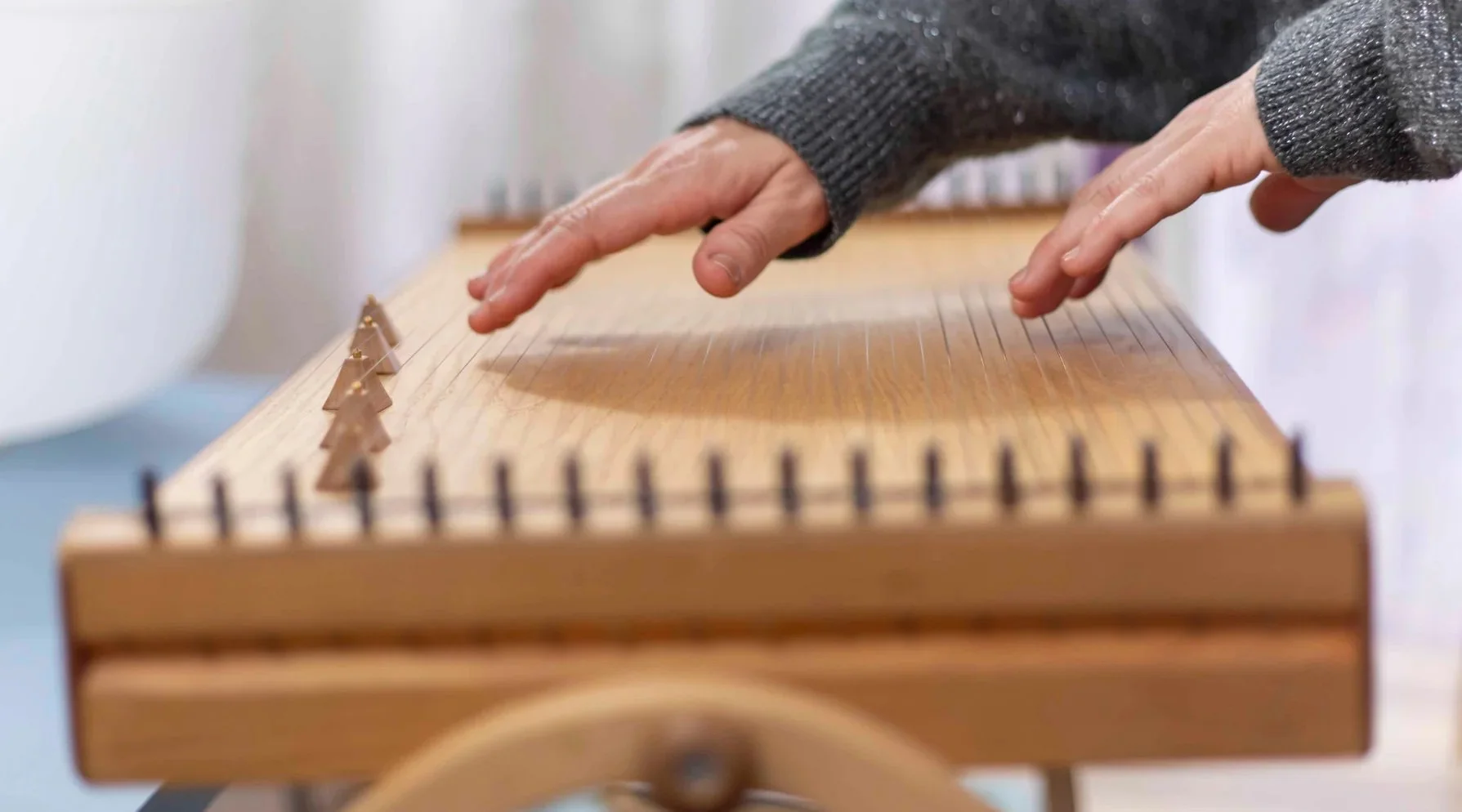
With dozens of strings tuned to a single note, the monochord creates a continuous wash of overtones. At Mongata, our 60-string monochord table allows you to lie directly on the instrument so you can feel the vibrations travel through your whole body as you listen to the notes.
Binaural Beats
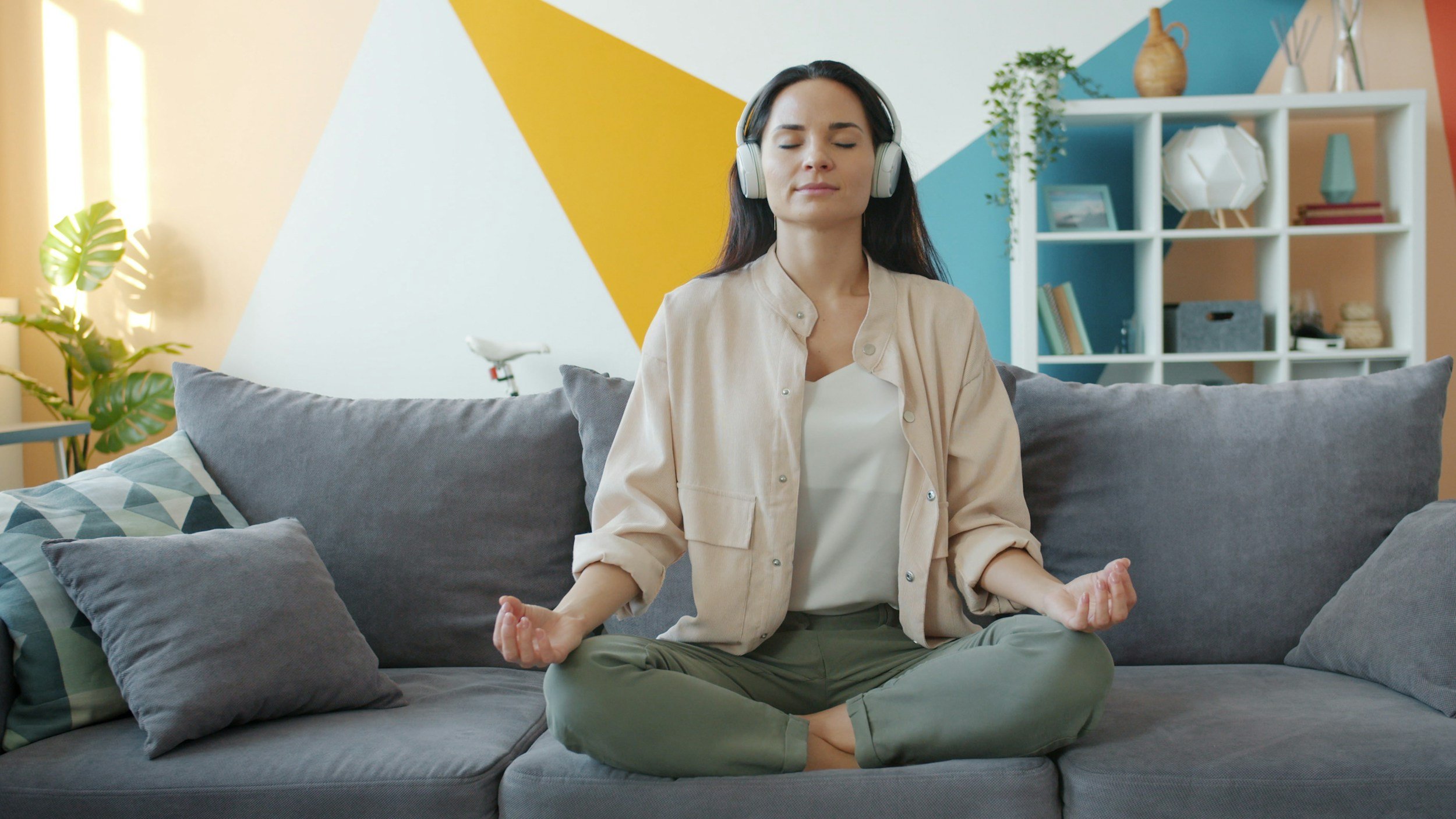
Using headphones, you can listen to two tones at slightly different frequencies, one in each ear. This causes your brain to perceive a third, gentle pulse that matches the difference between two sounds. Many people use binaural beats at home to encourage relaxation, focus, or sleep.
Vibroacoustic Therapies
These approaches deliver low-frequency sound vibration directly into the body through a specially designed bed, mat, or chair. Researchers have explored vibroacoustic therapies for relaxation and as a complementary support for people living with chronic pain.
The Mind-Body Benefits of Relaxation Sound Therapy
Because sound works through both your senses and your physical body, its effects reach across the whole mind-body connection.
Many people turn to sound therapy to reduce stress. As your body shifts toward rest, you may feel your jaw unclench, your breath deepen, and your thoughts slow. With regular sessions, you may find it easier to reach that calm on your own.
You might also notice improved mood and a lighter emotional state after a session. Sound has a way of moving what feels stuck, causing some people to release tears, conjure faded memories, or gain unexpected insight as they listen. There are no wrong reactions; it’s important to practice acceptance and give yourself grace during each session.
Others find that sound supports better sleep, eases physical discomfort, or helps them feel more connected to their bodies. If you're navigating chronic pain or ongoing health concerns, sound therapy can serve as a gentle complement to the care you already receive from your medical providers.
Most of all, sound relaxation therapy gives you permission to pause. When so much of your day urges you to keep moving, that pause can help you return to your life feeling more grounded, more present, and more like yourself.
What to Expect During a Sound Therapy Session
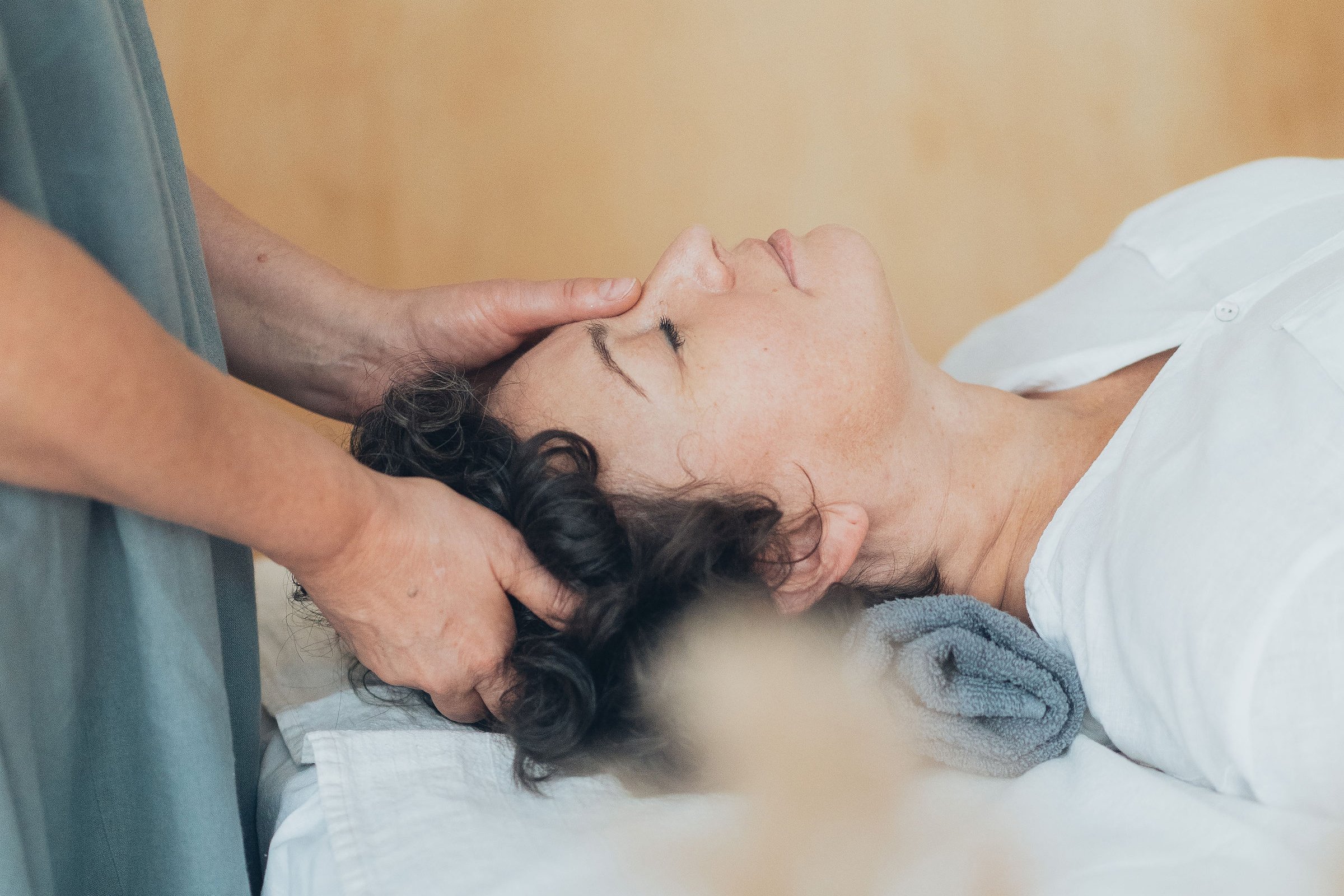
While every sound therapy session is different, many follow a similar structure. You'll usually begin with a brief conversation about how you're feeling and what you hope to receive, whether that's rest, clarity, or release. Then you'll settle in on a mat, bed, or monochord table, with blankets and pillows to help you feel supported.
As the sound begins, you might feel tingling, warmth, or waves of vibration. Some people drift into a dreamlike space, while others stay alert and observant. You may even fall asleep, and that's perfectly okay. Your body knows what it needs; trust yourself.
Afterward, take a few quiet, reflective moments before returning to your day. Drink water, notice how you feel, and consider jotting down any images or insights that surfaced. Much of the therapy work continues in the hours and days that follow.

Experience Sound Relaxation Therapy at Mongata
As a certified sound healing practitioner and the founder of Mongata, Valarie Budayr has created a new collection of offerings designed to help you rest and reconnect with your inner self. Sound therapy is woven into nearly every experience, from the 75-minute Sound Immersion session to the 90-minute Breathe + Receive package that pairs guided breathwork with immersive sound.
These private sessions are crafted around your body and your intentions for an individualized journey that meets you where you’re at. Ready to let sound lead the way to deep restoration? Explore Mongata’s latest offerings to find the practice that speaks to you.
Frequently Asked Questions
What does sound relaxation therapy feel like?
Most people describe deep calm and a pleasant heaviness in the body. You may feel vibration, warmth, or tingling as your thoughts slow and drift. Some people see colors or images. Every session is different, and there's no wrong way to experience it.
What is a monochord table?
A monochord table is a bed-like instrument with many strings tuned to a single note. You lie on top while it's played, so you feel its vibrations and overtones throughout your body as well as hear them.
Is sound relaxation therapy the same as a sound bath?
They're closely related. Sound baths are typically group experiences where you rest while a practitioner plays instruments around the room. Sound relaxation therapy includes sound baths and also covers private sessions tailored to you, such as tuning fork work or time on a monochord table.
Do I need experience with meditation to benefit?
Not at all. Sound does much of the work for you, gently guiding your body and mind toward rest. If your thoughts wander, simply return your attention to the sound. Many people find sound therapy an easier entry point into meditation than sitting in silence.
