A Practical Introduction to Sound Healing Instruments
While traditional talk therapy certainly has its benefits, sound therapy shifts the body into a harmonious state in a way that words can’t always replicate. Whether it's the low hum of a singing bowl settling into your chest or the shimmer of a gong washing over you at the end of a long week, the rhythms and deep resonance have a unique ability to release tension, clear mental fog, and draw us back into our bodies. With roots that trace back to ancient civilizations, sound healing tools have been used for centuries to help humans find emotional and spiritual alignment. But which ones are available today, and how do they work?
This beginner’s guide explores the most common types of sound healing instruments, what makes each one special, and how to think about choosing the right tools for your own meditation practice.

How Does Sound Healing Work?
Sound healing is grounded in the idea that everything in the body is composed of energy that has a natural vibrational frequency. When stress, illness, or emotional tension accumulates, that frequency can shift out of balance. Sound baths produce vibrations that interact with your body's own resonance, encouraging a return to a more harmonized state.
On a physiological level, sound healing supports your nervous system by activating the parasympathetic response, or your body's natural rest-and-digest mode. The right sounds can slow your heart rate, ease muscle tension, and guide your brainwaves from the busy beta state into the slower, more restorative alpha and theta states associated with deep relaxation and insight.
You don't need to understand every nuance of the science to benefit. Often, the most meaningful thing you can do is simply show up, tune in, and let the sound do its work.

Which Sound Healing Instruments Are Best For Beginners?
Himalayan Singing Bowls
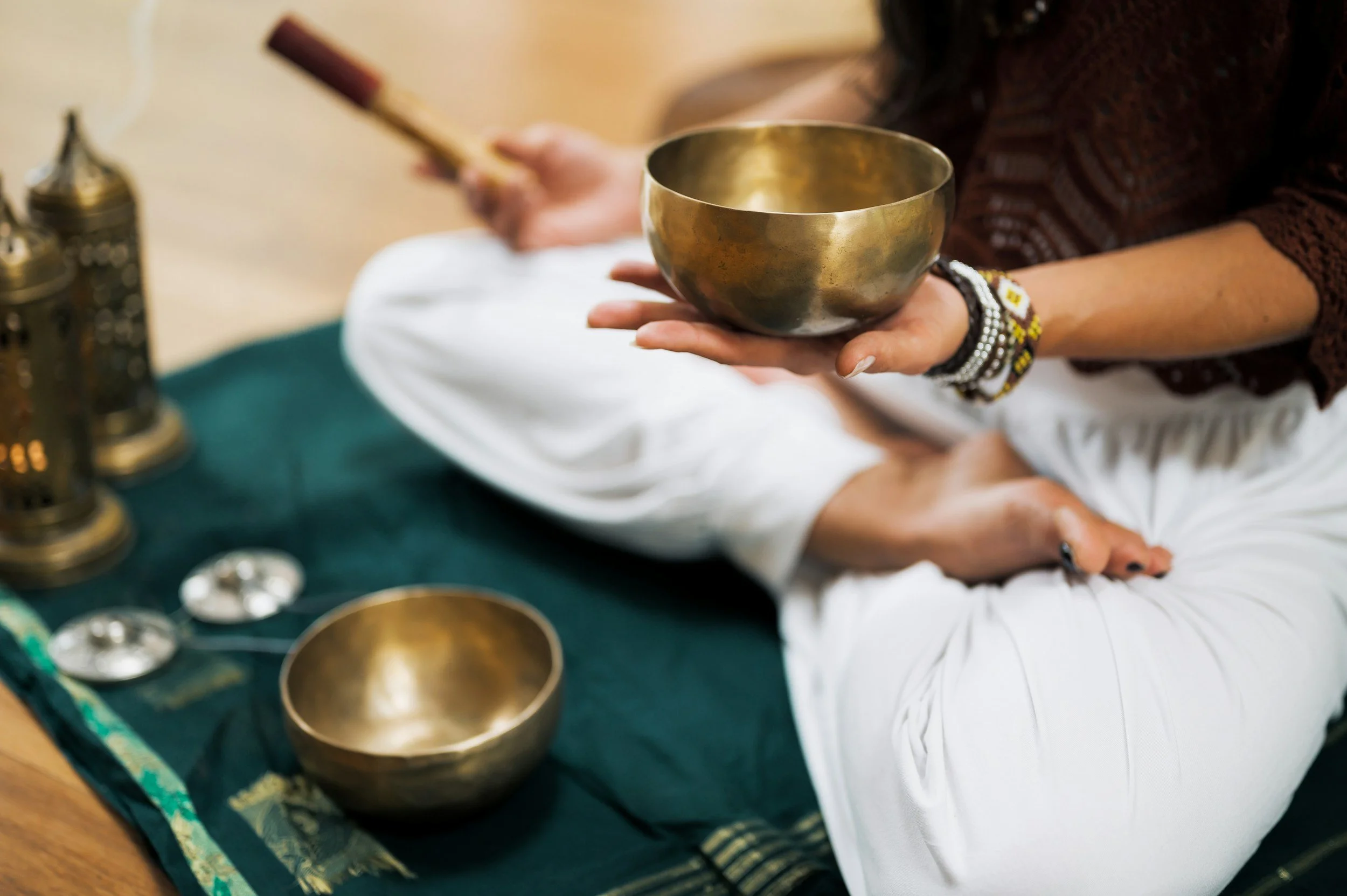
Himalayan singing bowls are perhaps the most recognized instrument in sound healing, and for good reason. Traditionally crafted from a blend of metals, these bowls produce a rich, layered tone when struck or played with a wooden mallet around their rim. The sound begins with a clear, bright note and unfolds into complex, interwoven overtones that seem to fill an entire room.
What makes singing bowls a particularly valuable sound therapy instrument is their ability to produce sustained vibration that you can both hear and feel. When placed on or near the body, the physical resonance of the bowl works directly with your tissues and energy field. Many people describe the sensation as a kind of internal massage.
Benefits: Quiet mental chatter, deepen meditation, and encourage full-body relaxation. A wonderful starting point for an at-home personal sound healing practice.

Crystal Singing Bowls
Crystal singing bowls are made from pure quartz and have clear, resonant tones. Traditional crystal chakra bowls are usually tuned to a specific musical note, and many practitioners associate each note with a corresponding energy center. Crystal Tones Alchemy Bowls follow a different acoustic structure. Their tones and overtone series are more complex and not always tied to a single note, creating a wider, more multidimensional sound field.
The sound of crystal bowls is bright and sustained. This quality sets them apart from the warmer and more grounded resonance of metal Himalayan bowls. Many practitioners use crystal bowls for energy clearing, meditation, and nervous system support. Alchemy bowls are also valued for the way their layered overtones interact with subtle systems of the body, including the endocrine and lymphatic pathways, which adds another dimension to their therapeutic potential.
Benefits: Particularly effective for energy clearing, chakra alignment, and deep meditative states. Their high-frequency resonance also makes them powerful tools for nervous system regulation, particularly for those who feel scattered or energetically fragmented.

Tuning Forks
Tuning forks are two‑pronged metal instruments that produce an unwavering frequency when struck. Most tuning forks used in sound healing are unweighted tuning forks, which are designed to create a clear, sustained tone that resonates easily in the air. These are often calibrated to specific healing frequencies. Some practitioners work with forks tuned to the Solfeggio scale, a set of ancient tones believed to carry particular therapeutic qualities. Others use forks tuned to planetary frequencies, the nervous system, or specific organs. However, experienced practitioners will tell you that the effectiveness of tuning fork work is shaped as much by the intention and presence of the sound practitioner and the client as by the instruments and frequencies.
In addition to these systems, there is also a harmonic spectrum series, which follows the eight notes of a C scale. This series is commonly used for body alignment and nervous system regulation because of its balanced, ascending tonal structure.
Beyond unweighted forks, practitioners also work with weighted tuning forks, which have small weights attached to the prongs. Weighted forks produce a deeper, more tactile vibration and are often used directly on the body for grounding, centering, and targeted vibrational work. They come in a variety of tunings, each selected for specific applications depending on the practitioner’s approach.
Benefits: Offer targeted support for nervous system regulation, pain relief, and releasing stored emotional tension in the body. Especially useful when you want to address a specific area of concern rather than a full-body immersion. Highly portable and accessible for personal practice.
Gongs
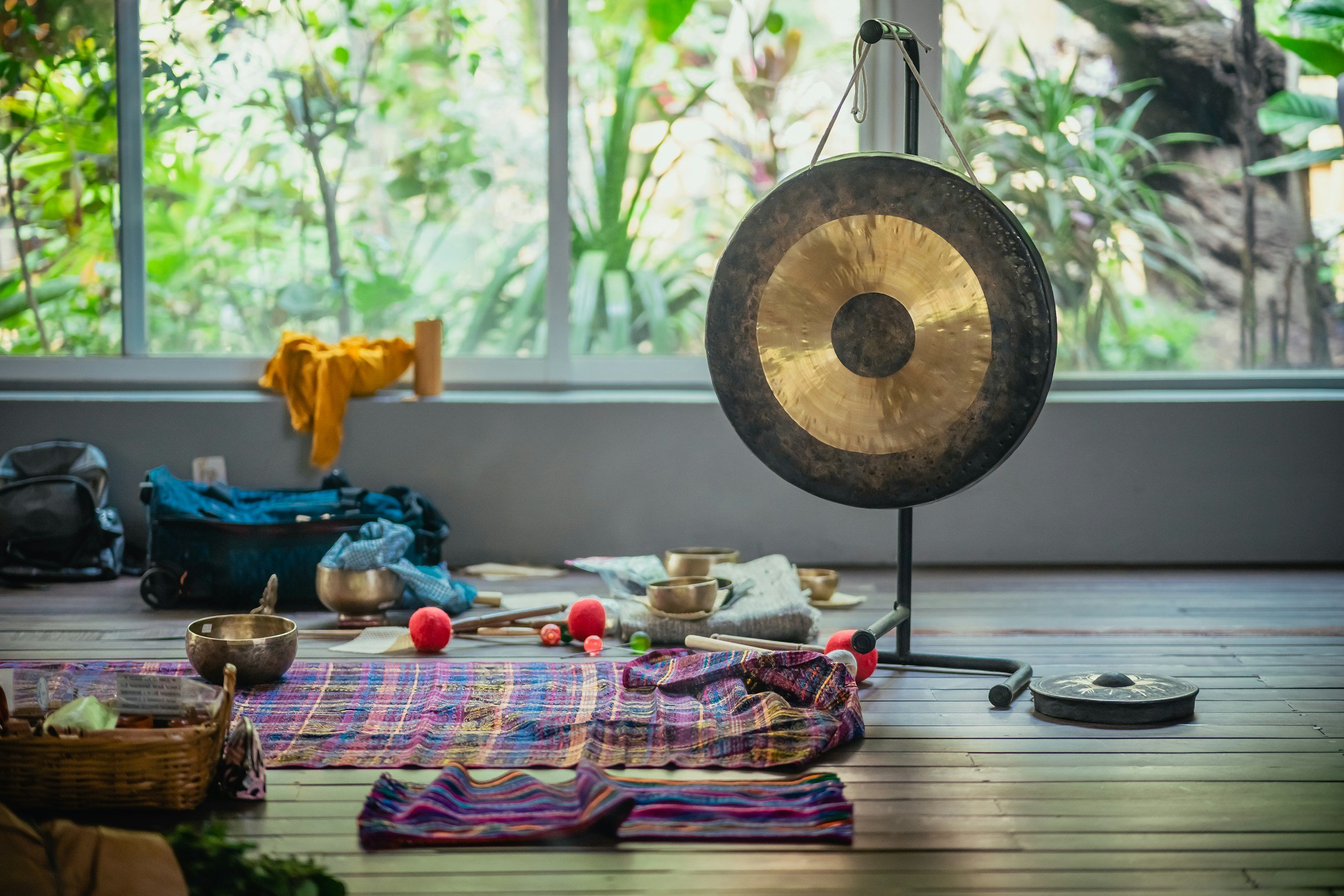
Gongs produce an enormous range of frequencies simultaneously and their sound expands and morphs in waves that can feel like being submerged in a vast sonic ocean.
The gong is considered one of the most powerful instruments in sound healing because of its complexity. Its full-spectrum vibration can shift the nervous system quickly and profoundly, moving you from high alert into a deeply altered state in a matter of minutes. Many practitioners describe the gong as a great liberator, capable of helping you release deeply held tensions and old emotional patterns.
Benefits: Exceptional for stress relief, trauma release, and accessing deep meditative or trance-like states. Most often experienced in group settings like sound baths, but practitioners also incorporate them into individual healing sessions.
Drums
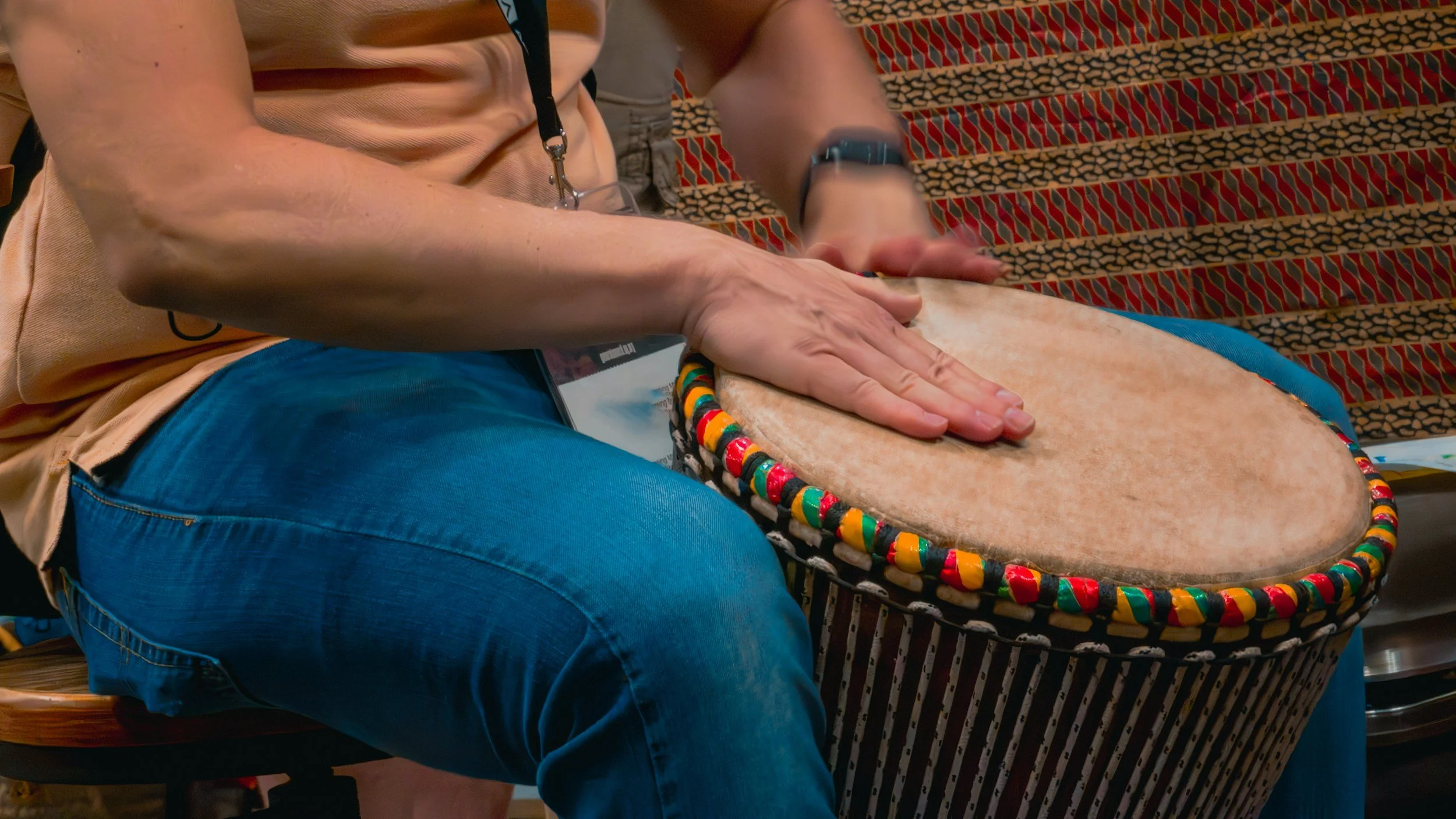
The drum is among the oldest healing instruments in human history. Across nearly every indigenous culture on earth, rhythmic drumming has been used to induce altered states, facilitate healing ceremonies, and connect participants to something larger than themselves. The heartbeat rhythm, at approximately 60 beats per minute, is foundational to this practice, gently synchronizing with your own heart rate to create a sense of deep grounding and presence.
Frame drums, hand drums, and shamanic drums all fall within this category. Their earthy vibration works differently than tonal instruments, reaching into the body's primal sense of rhythm and safety.
Benefits: Supports grounding, trauma release, nervous system regulation, and reconnection to the body. Especially helpful if you tend to feel anxious or disassociated.
Tingsha, Hand Bells, and Traditional Chimes
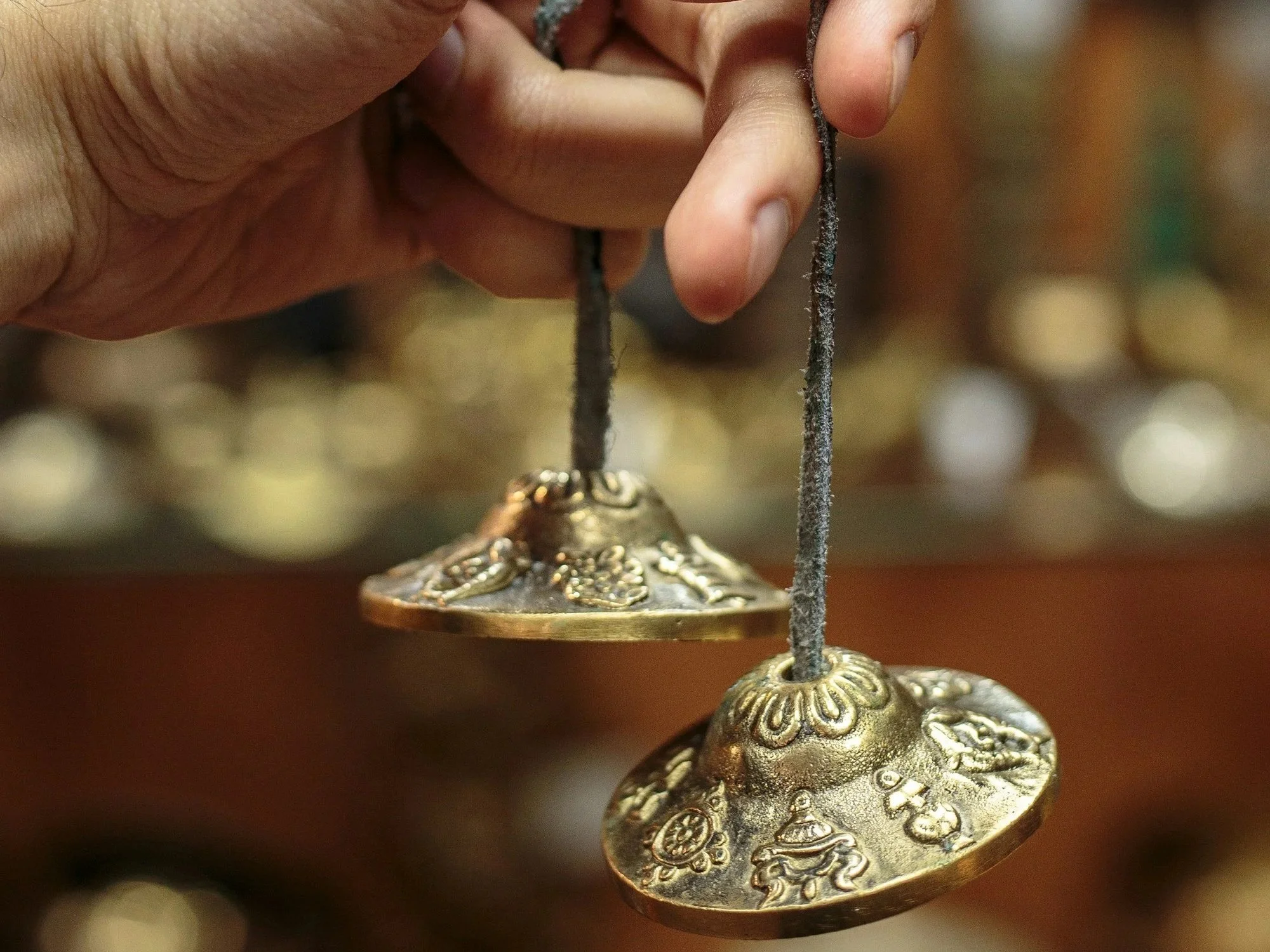
Though these metallic instruments come in different shapes and sizes, they share a similar purpose in sound healing. When struck together, tingsha, which are small Himalayan cymbals connected by a cord, create a clear, high, ringing tone that lingers for several seconds. Striking simple chimes with a rod or ringing hand bells produces a similar bright, focused sound that cuts through and captures attention.
These tools are often used as anchors at the beginning or end of a meditation. Their sharp, sustained tones help interrupt distraction and bring the listener into the present moment. In group settings, the sound of tingsha or a bell signals time to focus and the transition into meditation or prayer.
Benefits: Excellent portable tools for opening and closing meditation, clearing energetic stagnation in a room, and quickly re-centering attention. Their accessibility makes them a thoughtful first purchase for anyone building a home practice.
Koshi and Zaphir Chimes
Chimes have also evolved into a distinct genre of sound instruments, especially with the creation of Koshi and Zaphir chimes. Unlike simple metal chimes or bells, these instruments are crafted with a series of long metal tines suspended inside a cylindrical or hexagonal body. A free-moving clapper rotates around the tines in unpredictable patterns, creating a continuous interplay of tones.
Each Koshi or Zaphir chime is tuned to a specific scale, giving it a unique tone, mood, and timbre. These chimes are often used for meditation, relaxation, and sound baths because they create an immersive sound environment.
How Do I Choose the Right Instrument For My Practices?
Choosing a sound instrument is not about finding the best tool. It is about understanding which mental, emotional, and physical states you want to tend to. Every instrument interacts with the body differently. When you use sound healing instruments, you listen and respond with your whole body, not just your ears. When you are in a sound bath, meditation session, or personal sound experience at home, take note of what happens to your shoulders, your breath and your emotional state.
Sound instruments are partners in your rituals and practices. If anxiety and overthinking are your primary concerns, a Himalayan or crystal singing bowl may offer you a sense of grounding and spaciousness. If you feel disconnected from your body, a drum may speak to you more strongly because of its rhythmic, somatic pull. If you want something precise, portable, and easy to integrate into yoga or meditation practices, chimes and bells are worth exploring.
Home practice vs. practitioner‑led sessions
For home use, a high‑quality singing bowl or a tingsha is a great way to experiment with healing sound. These instruments are accessible and versatile. Gongs, tuning forks, and larger instruments often require more space, specialized techniques, and additional guidance. They are usually best experienced with a trained practitioner in a group or private session where the instrument can be played professionally and safely in a space designed for it.
Start with one instrument
As a home practitioner, you do not need a full collection of instruments to begin. A single instrument, or exploring playlists and sound events hosted by professionals online or in your area, can shape your practice.

Experience Sound Healing with Mongata
At Mongata, sound and music are woven into the heart of what we do. Valarie is a certified sound healing practitioner and offers online courses and sound experiences you can attend to experience the power of sound therapy. Explore our online courses and offerings.
Frequently Asked Questions
What instruments are used in sound healing?
Sound healing draws on a wide variety of instruments that produce a range of frequencies and vibrations. Some of the most commonly used include Himalayan singing bowls, crystal singing bowls, gongs, tuning forks, drums, chimes, tingsha (Himalayan cymbals), didgeridoos, monochords, and the human voice.
What is the best tool for sound healing?
The most effective tool for sound healing is the one that resonates most deeply with you and supports your specific intentions. Explore playlists and online events to discover the type of instrument helps you tend your emotional state, quiet your mind, and find a sense of wholeness.
