
Re-wilding the Self
Returning to the land, and remembering what we already know
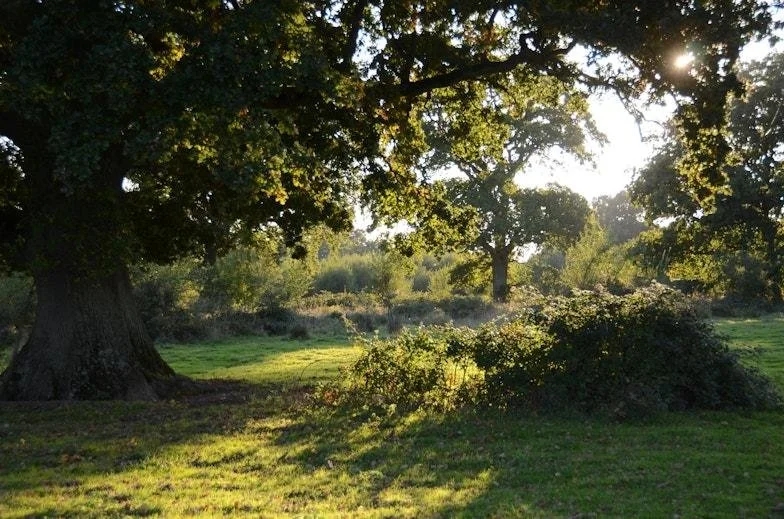
There are moments in life when something in us begins to soften. Not because we have figured anything out, but because we are no longer trying so hard to shape what comes next.
Lately, I have been noticing this in myself. A quiet shift away from effort. A loosening of the need to organize, decide, or move things forward in a particular way. And alongside that, a growing curiosity about what happens when we step back… and allow life to return to its own rhythm.
I recently came across the book Wilding by Isabella Tree, and the story of the land at Knepp Castle Estate in England that was once farmed, and is now simply allowed to be. Instead of continuing to push, manage, and control, the land was released.
What followed was not emptiness, but return. Life came back in unexpected ways—plants, animals, patterns of movement—re-emerging through an intelligence that did not require human direction.
There is something deeply reassuring in this. The reminder that not everything needs to be fixed. That not everything is broken simply because it is no longer controlled. That life, when given space, remembers how to live.
This way of being is not new.
I found myself thinking of Henry David Thoreau, his time at Walden Pond, and relationship with the land.
Years ago, I experienced something of this for myself. My son was ten at the time, and over the summer we had been reading together, including a book about Thoreau’s life at Walden. He was completely taken by the idea of a small house in the woods. To him, it felt like a treehouse, a place of imagination and independence. He asked if we could go.
A few weeks later, during fall break, we found ourselves in Concord, moving through a landscape that felt both historical and quietly alive. We visited places connected to Ralph Waldo Emerson and Nathaniel Hawthorne, but it was the pond that held us.
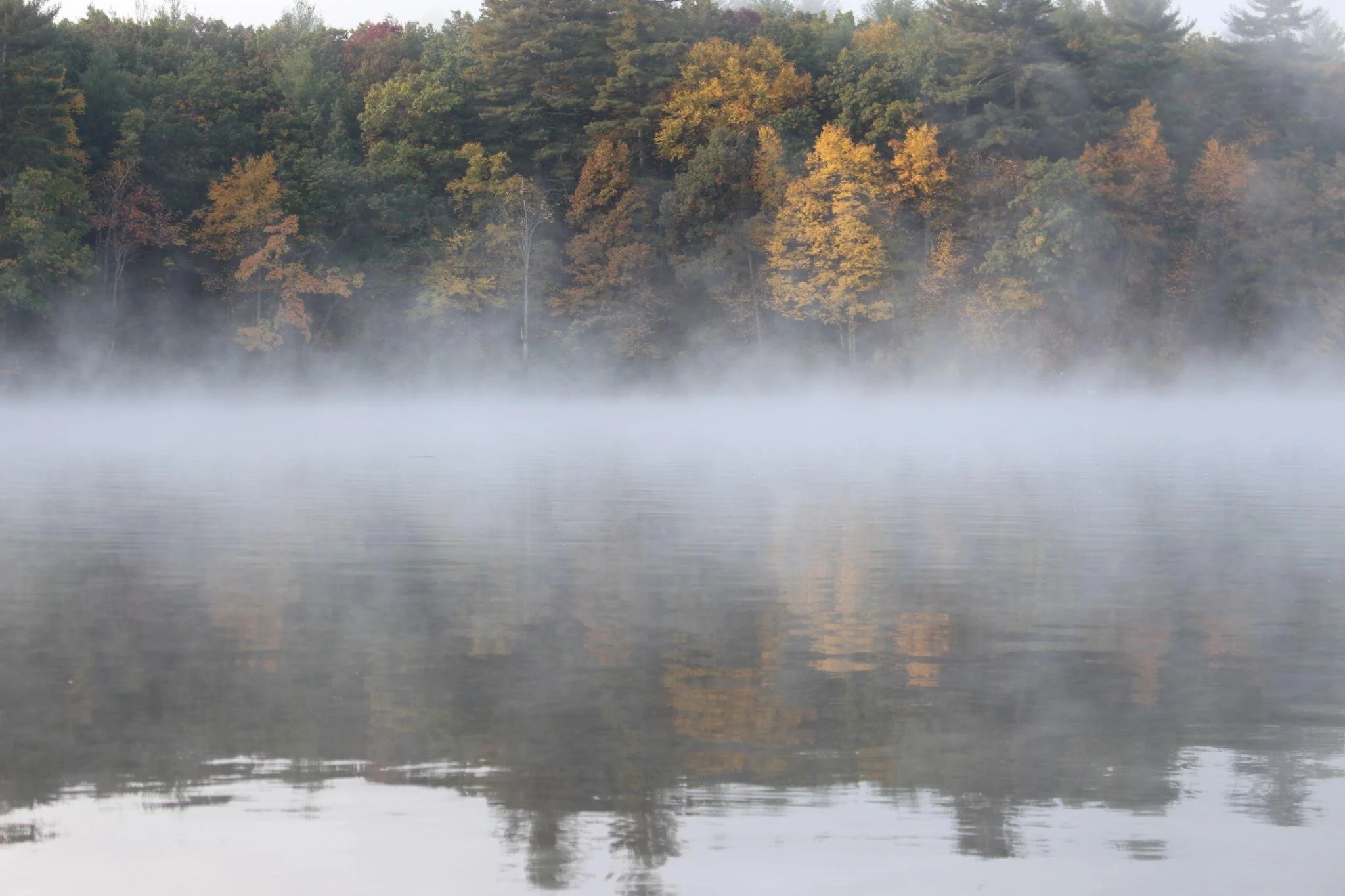
One morning, we arrived early. The air was thick with fog, the kind that softens everything and invites you to slow down without asking. I had packed a small breakfast, and we walked toward the water in near silence.
There was no urgency. Just the sound of our steps, the scent of pine and earth, and the gradual revealing of the pond as it came into view.
We found the place where Thoreau’s cabin once stood and sat there together, eating in the quiet, watching a man swim across the surface of the water. Later, we would learn that he came every morning, even in winter. At the time, he simply felt like part of the rhythm of the place—steady, unhurried, at home.
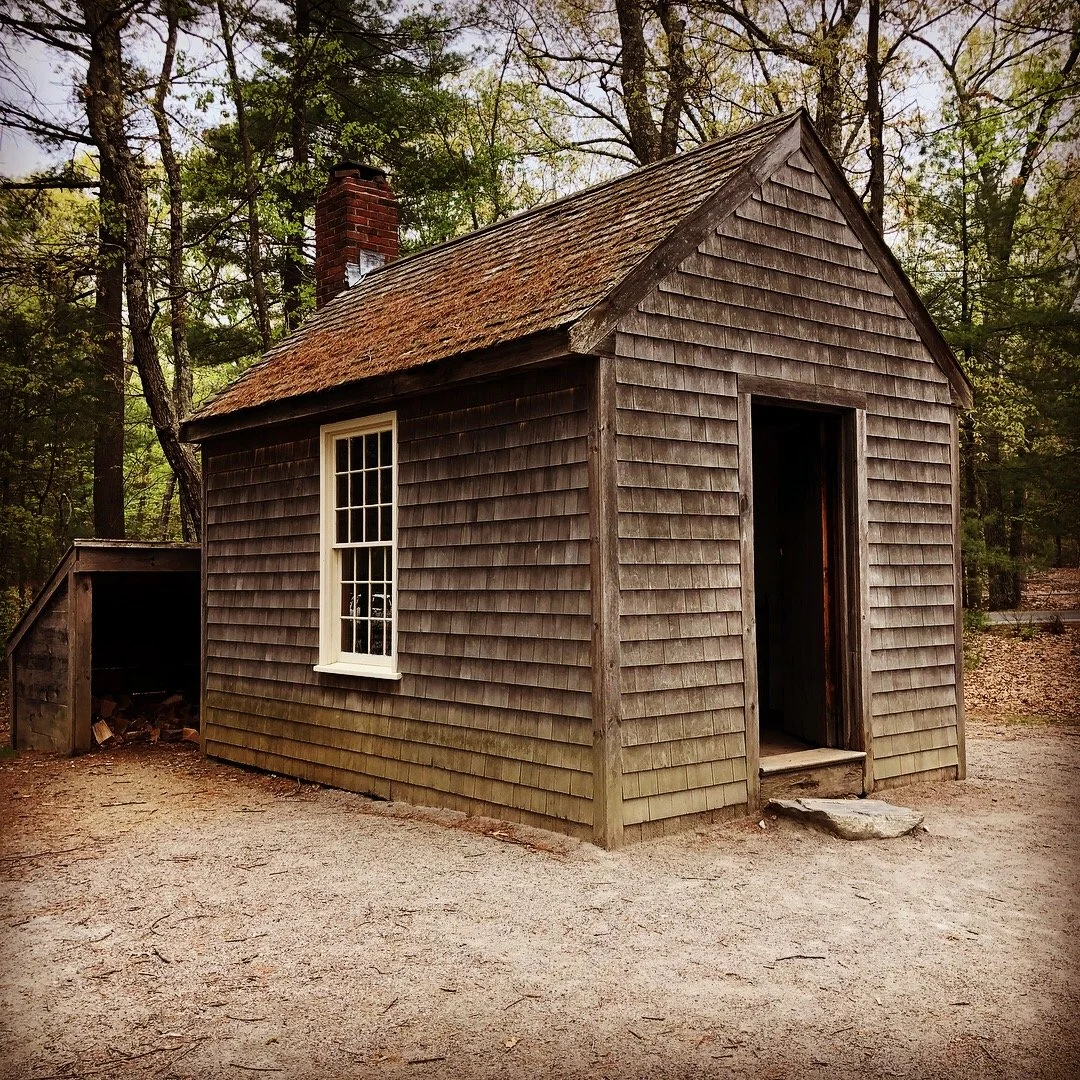
I remember watching my son, how easily he moved within that space, how naturally he belonged to that kind of stillness. Later, when we visited the small replica of the cabin, he pulled out his sketchbook and began to draw, making notes, translating what he had experienced into something of his own.
There was nothing we needed to do. And in that, something opened. Not dramatically, but clearly—a sense of being in relationship with the land, rather than moving through it. A remembering.
We returned to the pond several times during that visit, but that first morning held something that could not be repeated. It was unstructured, unplanned in its unfolding, open. And because of that, it allowed something deeper to emerge.
Those days stayed with him. They later found their way into a treehouse in our backyard, a place where he could go to think, to imagine, to return to himself. Just like Henry David Thoreau, he would come up to the house to visit, and then back down to his own small world.
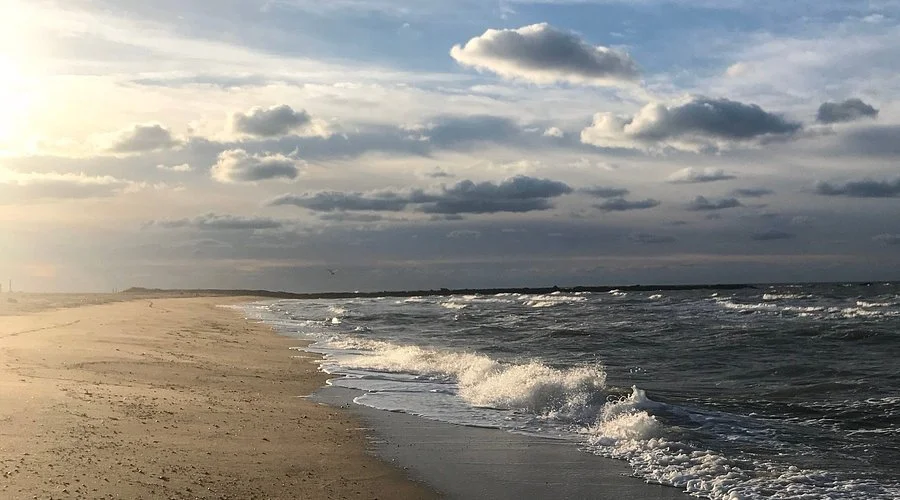
I find myself thinking about that now, here.
In a new place, a new landscape, a new chapter, there is so much that could be decided. And yet, I feel something different. A quiet invitation to listen. To notice what is already here. To allow space for what wants to emerge. To trust that not everything needs to be shaped in order to take form.
This, too, is a kind of rewilding. Not stepping away from life, but stepping into a different relationship with it.
In my work, whether through sound, breath, or time spent in stillness, I see this again and again. When we create space—true space—the body remembers. The nervous system settles. Something begins to reorganize itself without force.
The land knows how to do this.
And we do too.
A Quiet Invitation
If this speaks to you, you might step outside for a few moments today.
Not to walk with purpose,
but simply to be.
Notice what is already there.
The way the light falls.
The sound beneath the sound.
What draws your attention without effort.
You might ask yourself, gently:
What in me is ready to be left alone… so that it can return to its own natural rhythm?
And then, without needing an answer,
simply listen.
