
Walking the Labyrinth: A Meditation Practice for Clarity, Healing, and Inner Balance
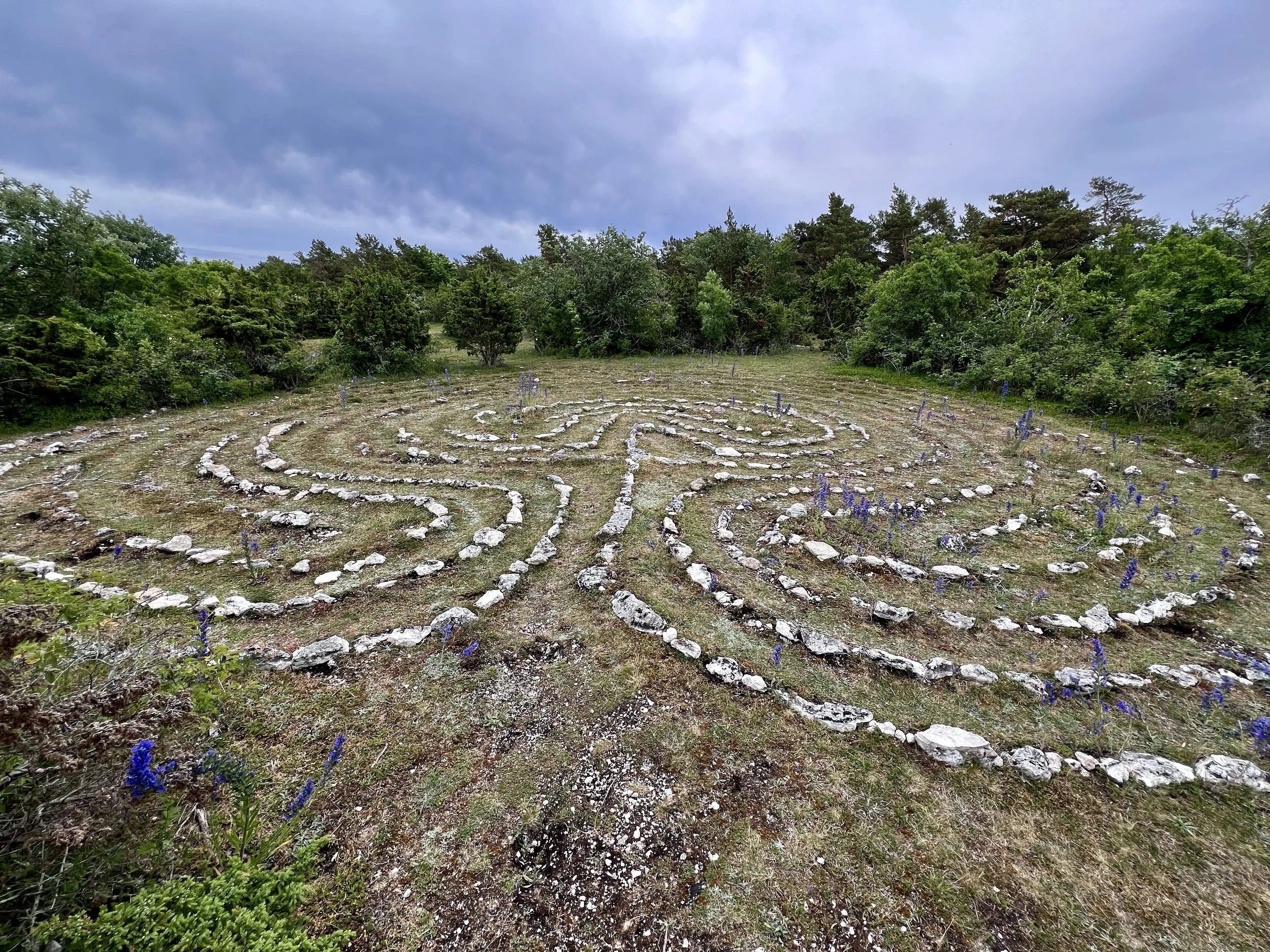
A Practice of Returning, Listening, and Inner Alignment
Labyrinths have been part of my life for many years, but not in the way most people expect.
While I am closely connected to the island of Gotland—home to one of the greatest concentrations of ancient labyrinths in the world—my personal journey with labyrinths began much more simply: through a moment of curiosity.
Years ago, while raising my children in a creative, hands-on way, my son and I watched a documentary about Sting. What stayed with me was not just his music, but the depth of his exploration into the past—his study of early instruments like the lute, and the way that inquiry led him to discover labyrinths. That curiosity eventually inspired him to build a large walking labyrinth on his land.
That moment stayed with me.
It led me to explore labyrinths more deeply, eventually bringing me to study labyrinth design and construction with Robert Ferre and Lars Howlett. From there, my work expanded into building, walking, and facilitating labyrinth experiences, as well as serving on the board of a labyrinth organization in Santa Fe.
Over time, the labyrinth became more than an object or a place. It became a practice.
What Is a Labyrinth?
A labyrinth is a single, continuous path that leads to a center and then returns you along the same route. Unlike a maze, there are no wrong turns.
There are many styles of labyrinths, but two of the most common are:
Classical labyrinths, which are among the oldest forms and often associated with ancient cultures
Chartres-style labyrinths, which are more intricate and are found in places like Chartres Cathedral
Each labyrinth is built from a foundational “seed pattern,” from which the full design emerges—circuits unfolding outward in a precise and intentional way.
The Labyrinth as Practice
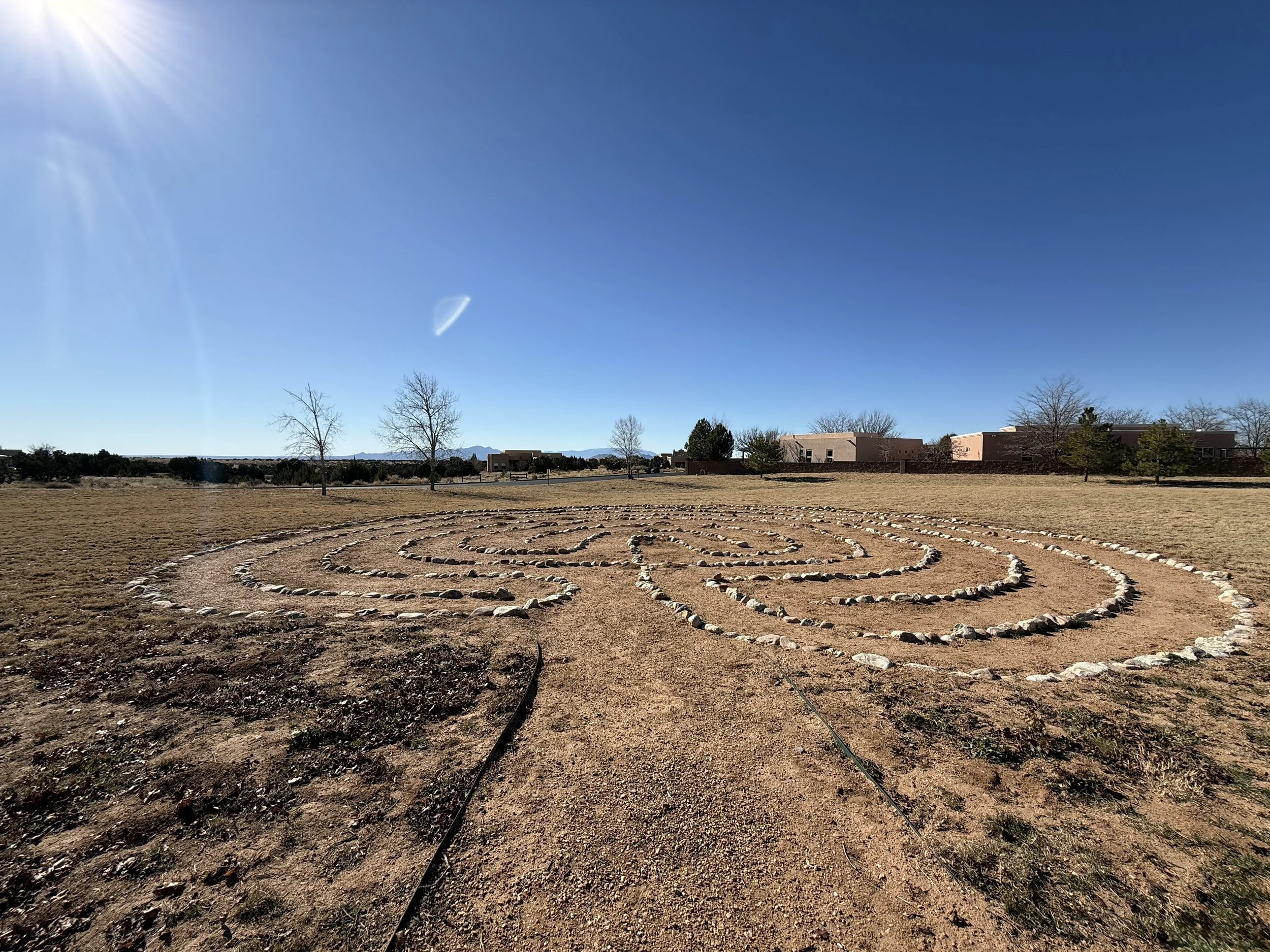
In my own life, walking the labyrinth became a daily practice.
During my years in Santa Fe, I lived near a classical labyrinth and would walk it regularly. Each walk held a different intention:
a question
a moment of reflection
a space for gratitude
The act of walking a labyrinth invites a shift in awareness. As you follow the path, your body settles into rhythm. The mind begins to quiet. Something deeper has space to emerge.
In many traditions, the labyrinth is understood as a symbolic journey:
entering the path
reaching the center
returning to the world
This mirrors the natural cycles we experience in life—times of inward reflection, moments of clarity, and the integration that follows.
Labyrinths and Ancestry
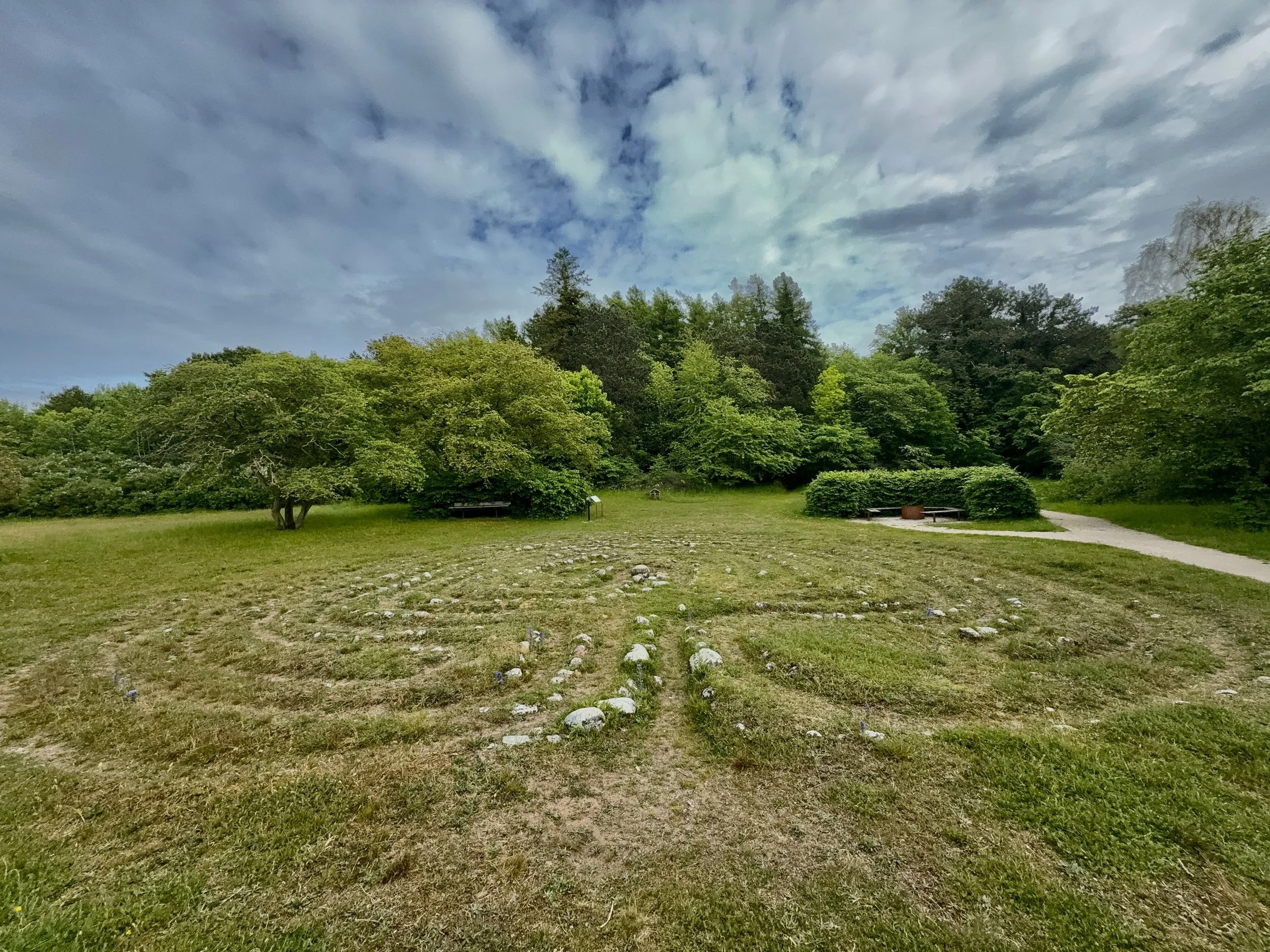
My work with labyrinths has also deepened my connection to ancestry.
On the island of Gotland, where my family originates, there are labyrinths that span thousands of years. Some are among the oldest known in the world. Walking these labyrinths is not simply a physical experience—it is a way of connecting across time.
There is a saying in the labyrinth community:
When you walk a labyrinth, you walk with everyone who has ever walked one.
This perspective shifts the experience from something individual to something collective—a shared human practice that transcends place and time.
Walking the Labyrinth Today
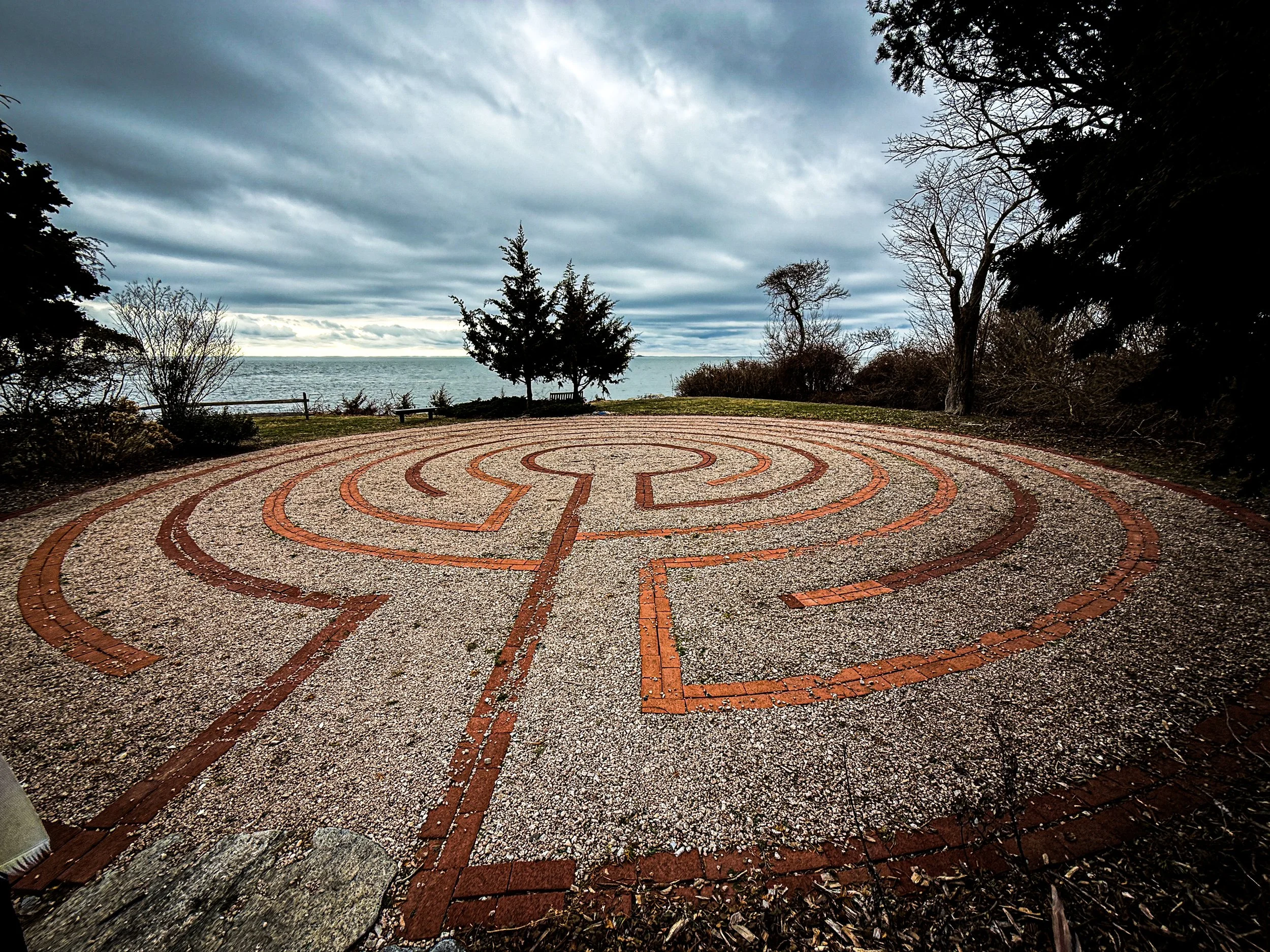
Today, labyrinths continue to be used as tools for reflection, stress reduction, meditation, and personal insight. They offer a simple but profound invitation: to slow down, to follow a path, and to listen.
As you walk toward the center, there is an opportunity to gently release—thoughts, questions, worries, or anything you are carrying. With each turn, something begins to soften.
At the center, you may find a moment of stillness. For some, it is a place of receiving—an insight, a feeling, a quiet knowing. For others, it is simply a place to become centered again, to rest in presence.
And as you follow the same path outward, something shifts. What you have released, what you have received, begins to integrate. You return not as you entered, but with a sense of readiness—to carry that awareness, that clarity, back into your life and into the world.
You do not need to understand the labyrinth to walk it.
You only need to begin.
A Gentle Invitation
If you feel drawn to this practice, you might begin by finding a labyrinth near you using the World-Wide Labyrinth Locator.
Walk slowly.
Notice your breath.
Allow whatever arises to be present.
The labyrinth does not lead you somewhere new.
It brings you back to yourself.
This is part of the deeper work of returning—one step, one circuit, one breath at a time.
