
Nurturing Community and Creating Places Where Connection Thrives
Humans are biologically wired for connection. We thrive when we feel seen, supported, and part of something larger than ourselves. This instinct is ancestral: For thousands of years, people have gathered around fires, in temples, across kitchens and courtyards, with the people who shape their identities and help weather the changes of life.
Today, as fast-paced living and digital media overwhelm and fragment our attention, many people are returning to community as medicine. A nurturing community is an ecosystem where individuals can grow, heal, and come home to themselves while witnessing and uplifting one another.
Providing space and opportunity to heal through shared presence is core to our purpose at Mongata Healing Center. We create events and gathering spaces where connection becomes a lived experience.
What Is a Nurturing Community
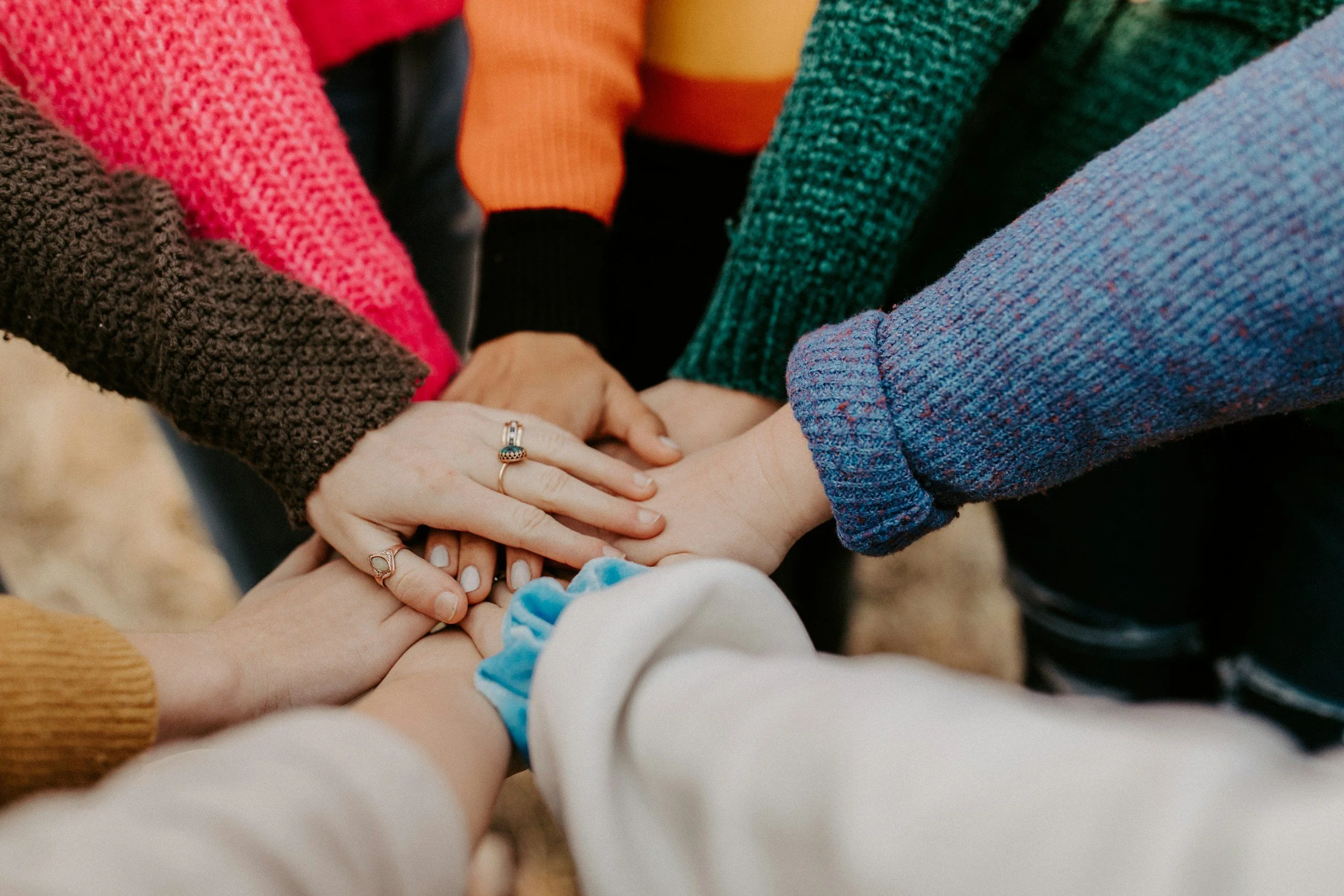
Community is a living network of reciprocity. It’s not simply being part of a group. Being part of a community means allowing yourself to be changed by the relationships within it. A nurturing community prioritizes authenticity over networking and encourages presence.
The Energy of a Supportive Environment
Have you ever walked into a room or store and felt off? Maybe the lighting was too harsh or the layout felt disjointed. These physical roadblocks can disrupt our energy and trigger our body’s fight-or-flight response.
A nurturing community is built on physical, emotional, and spiritual spaces that feel safe enough for people to let down their walls and trust one another. Creating supportive environments where community flourishes includes tweaking sensory elements like sound, lighting, and layout, as well as tone, intention, and the energetic presence of facilitators. Sound baths and collective energy practices work because they create a vibrational field where participants attune to one another. When people gather with intention, their nervous systems begin to resonate in harmony.

Why Nurturing Communities Are Essential for Healing
Healing is not a solo journey. Neuroscience shows that connection regulates the nervous system. This is why a crying baby often needs to be held or cuddled to be soothed. As adults, when we sit in community, our bodies feel safer, more resilient, and more open to transformation.
Nurturing communities reduce isolation, create emotional steadiness, and support trauma healing by offering safety. In trauma-informed spaces, community becomes a co-healing process, where the presence of others helps restore a sense of belonging and wholeness.
The Science and Spirit of Building Community
Modern research reveals what our ancestors knew. Belonging is essential for well-being. When we connect with others in meaningful ways, our bodies release oxytocin that fosters trust, empathy, and ease.
Guided breathwork practices and group meditation, chanting, or shared ritual amplify these biological responses. If you’ve ever taken a yoga class and felt calmer after chanting “om” as a group, you’ve felt the power of group alignment.
The Spiritual Framework of Togetherness
Spiritually, community is energy in motion. Indigenous and ancestral traditions teach that we belong to one another and that individual well-being is inseparable from communal well-being. This wisdom reminds us that community is about caring for what we create together.
The Ecosystem Model of Healthy Communities
Healthy, sustainable communities operate like ecosystems, where each element supports the others. We call this the 5 C’s of community:
Connection – The foundation of trust and belonging.
Compassion – The heart of a nurturing environment.
Communication – Transparent dialogue that sustains harmony.
Contribution – Each person offering their presence and gifts.
Consistency – Rhythms and rituals that create stability.
When these C’s work together, a thriving, resilient community emerges.

Elements of a Thriving Community
While all communities are unique, nurturing communities consistently share four core elements.
Safety and Trust
Emotional and energetic safety is the soil in which belonging can grow. When people feel safe, they can share honestly, listen deeply, and be authentic.
Facilitators play a key role in establishing this safety by:
Creating clear agreements and boundaries
Offering consent-based practices
Being fully present and grounded
Modeling vulnerability and respect
Shared Purpose and Vision
A community without shared purpose tends to drift apart. Community founders and members benefit from regularly revisiting their collective “why,” ensuring that values remain aligned and intentions stay clear.
Participation and Reciprocity
Nurturing communities are are co-created. Think about your longest-lasting friendships. You probably built a deep relationship with that person by being vulnerable with each other. That same openness creates a greater connection within a group. Contributions can include offering a song, helping set up the space, sharing insights in a circle, or simply showing up with presence. Reciprocity is the heartbeat of community: we give, we receive, and the cycle continues.

How to Build and Nurture Community
Cultivating a Community from the Ground Up
Whether you’re starting a new group or tending to an existing one, community building is both an art and a practice. It’s important to start small. Some of the most meaningful communities begin with intimate circles, shared practices, or aligned intentions among just a few people.
Keep in mind that the quality of the community is more important than the quantity of people in the group. Begin where you are, with who you have, and allow the community to grow organically.
Creating Environments That Invite Connection
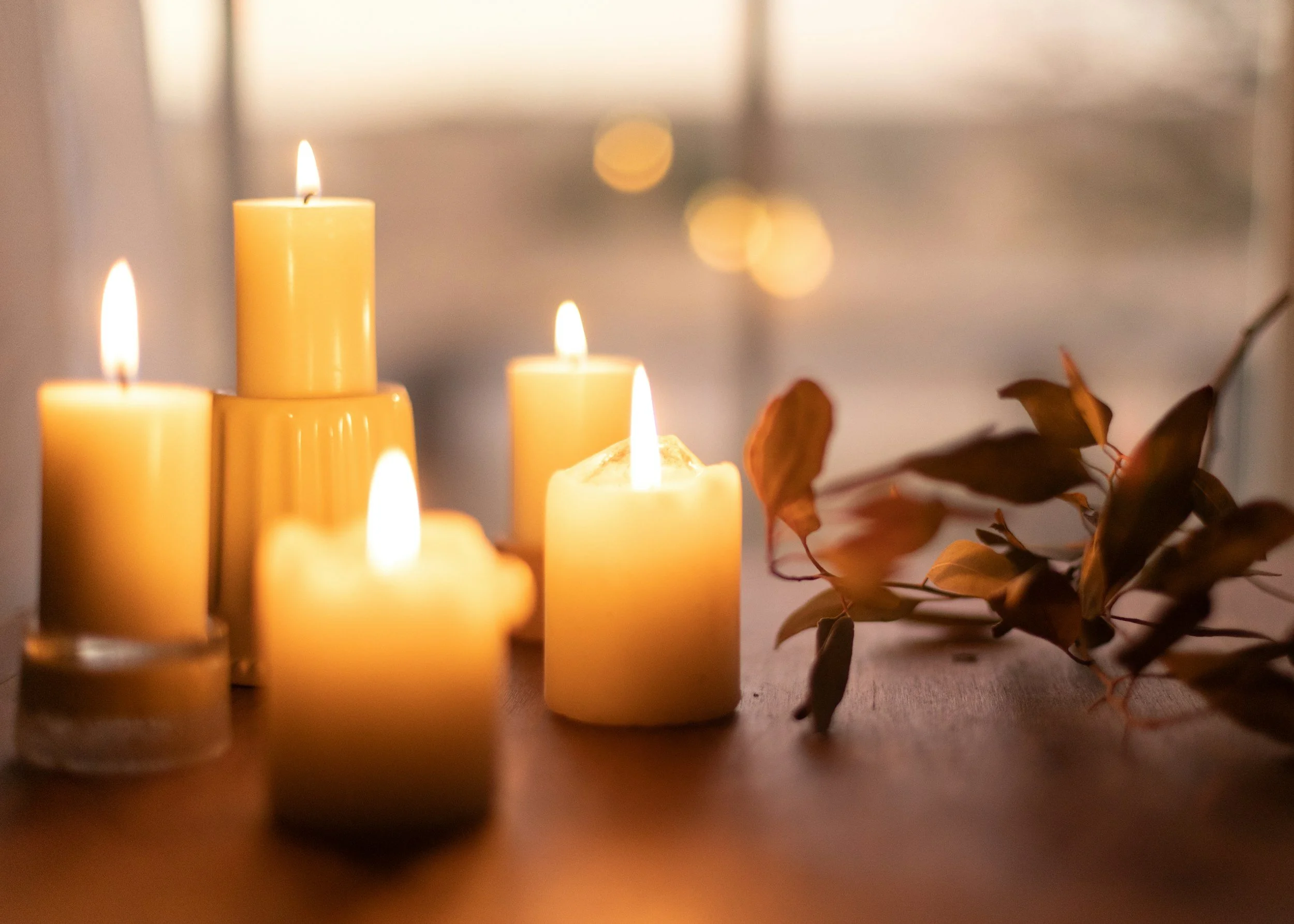
Just as a cat won’t cuddle up on your lap until she feels safe and comfortable, people won’t open up with one another until their bodies and minds are at ease. Connection should be invited, not forced. A nurturing atmosphere where people can relax into authenticity includes:
Physical elements
Warm lighting
Comfortable seating
Calming soundscapes
Natural textures and grounding objects
Emotional elements
Attunement and empathy
Inclusive, welcoming language
Clear boundaries and kindness
Spiritual elements
Intention-setting
Breathwork or grounding rituals
Practices that help people drop into presence
How to Nurture Community Over Time
Communities thrive on rhythm and consistency. Weekly gatherings, seasonal ceremonies, and annual retreats cultivate long-term trust and connection. People love to have something to look forward to and put on their calendars.
Sustaining community also requires celebration and gratitude. Acknowledging milestones, honoring contributions, and recognizing individual journeys keep the collective energy alive.
As communities evolve, leaders must evolve too. Like a DJ using the energy of the crowd to inform their next song choice, leaders need to stay attuned to the group’s needs and adapt with integrity rather than rigidity.
Participating Within the Collective
Your relationship with yourself shapes your ability to connect with others. When you are grounded in your own truth and aware of your boundaries, your presence becomes clear, loving, and steady. This includes practices like journaling, meditation, and energetic hygiene to ensure you enter shared spaces centered and open. By looking inward and exploring your unique energetic design, you will be better attuned to your role and
The Practice of Compassionate Presence
Presence is one of the greatest gifts we can bring to a community. True presence means listening not to respond, but to understand. It means witnessing others with curiosity, not judgment.
Try this simple practice to encourage presence: Before entering a shared space, pause. Breathe, set an intention to listen, to soften, and to show up fully.

Community in the Digital Age
One of the perks of living in the digital age is creating community and connection without having to be in the same physical space. While some online communities can be profoundly nourishing, others can be performative. Look for spaces that encourage vulnerability, dialogue, and mutual respect rather than comparison or curated perfection.
Our Approach to Nurturing Community
At Mongata Healing Center, community is the heart of our work.
Circles of Connection
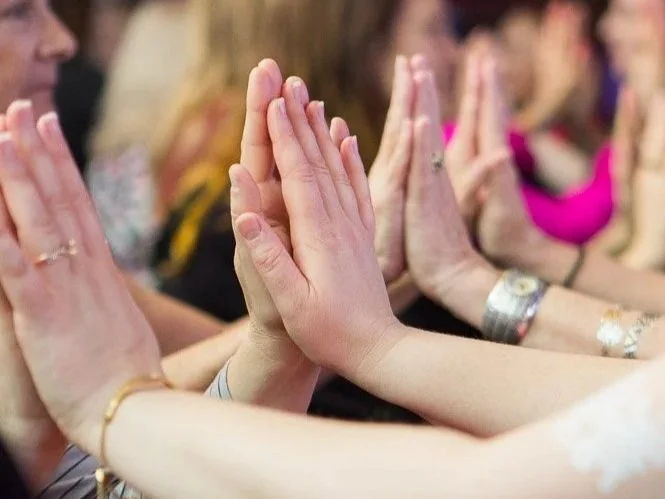
Our healing circles, cacao gatherings, and sound baths are all rituals that foster a sense of belonging. From the seating to the sound to the shared intention, each element is carefully considered to support safety, openness, and connection.
Breathwork and Shared Energy
Breathwork is one of the most powerful tools we use to harmonize energy within groups. When people breathe together, their nervous systems synchronize, creating trust and deepening collective presence.
Human Design and Understanding Interpersonal Dynamics
We also incorporate Human Design to help people understand their energetic type and relational patterns. This brings compassion, clarity, and harmony into group settings by helping individuals honor their unique way of contributing.

Be a Part of the Mongata Community
Nurturing a community is both a science and an art. When we gather with authenticity, we remember that connection is one of our greatest teachers, healers, and resilience. To join a nurturing community, check out our group offerings at Mongata and our individual sessions designed to help you connect more deeply with yourself and others.
Frequently Asked Questions About Nurturing Community
What makes a community nurturing rather than just social?
A nurturing community prioritizes emotional safety, empathy, and shared growth over convenience or similarity.
What are the key elements of community?
Safety, shared purpose, participation, and communication are the four elements of community that sustain belonging.
How can I start building community in my area?
Start small with shared intention. Host a gathering, meditation, or gratitude circle. Authenticity draws resonance.
What are the 5 C’s of community?
Connection, compassion, communication, contribution, and consistency. These are essential pillars of trust and vitality.
How do I maintain a nurturing community over time?
Nourish it through gratitude, rest, feedback, and ritual. Communities grow when tended like gardens.
