
The Science of Gratitude
Gratitude is often described as the feeling of appreciation that arises when we recognize something meaningful in our lives. But gratitude is much more than just an emotion. It is a practice that shapes how we think, feel, heal, and connect with others. Ancient wisdom traditions have long understood gratitude as a pathway to balance and harmony. Today, scientific research confirms what our ancestors already knew: gratitude changes the brain, nourishes the body, and expands the heart.
At Mongata Healing Center, we view gratitude as a living practice. Gratitude is a frequency that harmonizes our energy, helps us arrive more fully in the present moment, and supports the healing journey. When we practice gratitude intentionally, we soften our nervous system, open ourselves to connection, and return to a deeper sense of belonging within ourselves and the world around us.

The Neuroscience of Gratitude
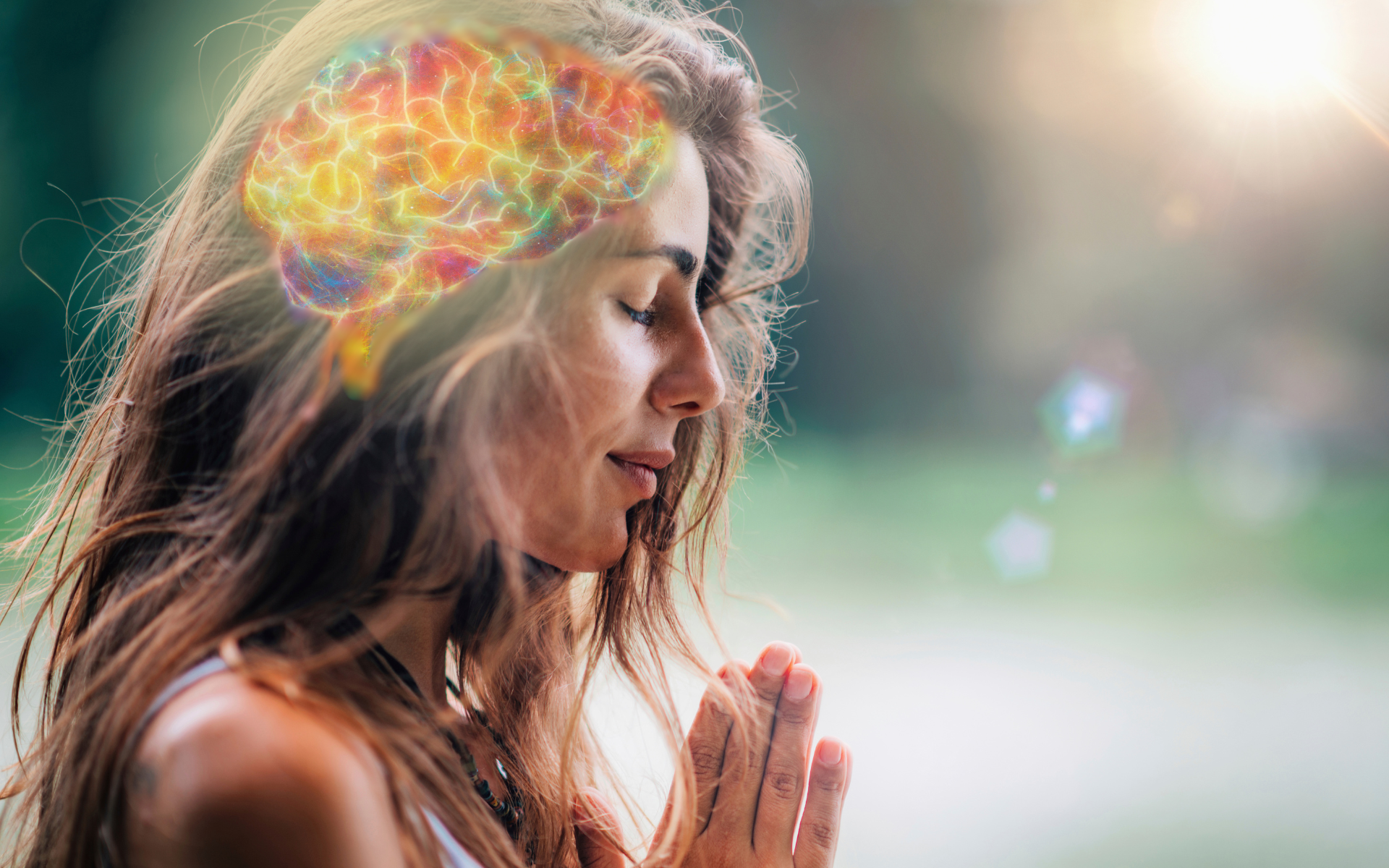
Feelings of gratitude have a profound impact on our brains. They activate the brain’s prefrontal cortex and the anterior cingulate cortex, which are two regions associated with empathy, emotional regulation, and reward processing. Gratitude is linked to heightened motivation, compassion, and bonding.
Gratitude also triggers the release of dopamine and serotonin, neurotransmitters that uplift mood and promote well-being. When we think about or write down what we’re grateful for, the brain begins to anticipate and seek out states of appreciation, making positive emotions more readily accessible over time.
This is the key to long-term change. A consistent gratitude practice strengthens neural pathways associated with emotional resilience, so that, over time, we become more naturally inclined to notice what is meaningful and positive in our lives.

The Connection Between Gratitude and Mental Health
Scientific research consistently shows that people who regularly practice gratitude experience:
Reduced symptoms of anxiety and depression
Greater emotional resilience and stress tolerance
Higher levels of life satisfaction and meaning
Gratitude helps us shift from rumination, the habit of repeating stressful or negative thoughts, into a more balanced perspective. It supports our ability to reframe and reinterpret situations with greater clarity and compassion. Rather than completely ignoring or burying difficulty, this shift allows us to meet inevitable setbacks with more understanding and stability.
The Physical Health Benefits of Being Grateful
Beyond emotional well-being, gratitude also affects the physical body. Studies show that regular gratitude practices are associated with:
Improved heart health
Strengthened immune response
Better sleep quality
Reduced cortisol (the primary stress hormone)
Lower inflammation levels
When we feel gratitude, the nervous system shifts out of stress mode, allowing the body to repair and restore itself on a cellular level. Over time, this contributes to a more balanced system and improved long-term health.
How Practicing Gratitude Changes the Brain
Just as you build muscle memory when practicing your tennis backhand again and again, the brain responds to repetitive action. Like a muscle, the brain can physically change and adapt in response to learning and experience. Every time we practice gratitude, we reinforce neural circuits that support positive thinking and resilience. With practice, gratitude becomes a lens through which we see the world.
One way to create this positive feedback loop is through gratitude journaling. Setting aside just five minutes a day to write down big and small appreciations. Documenting things like the feeling of the sun’s warmth on your skin during winter to the ability to get lost in a new novel helps us notice those moments of beauty and calm in real time more often.
The Role of Awareness and Attention
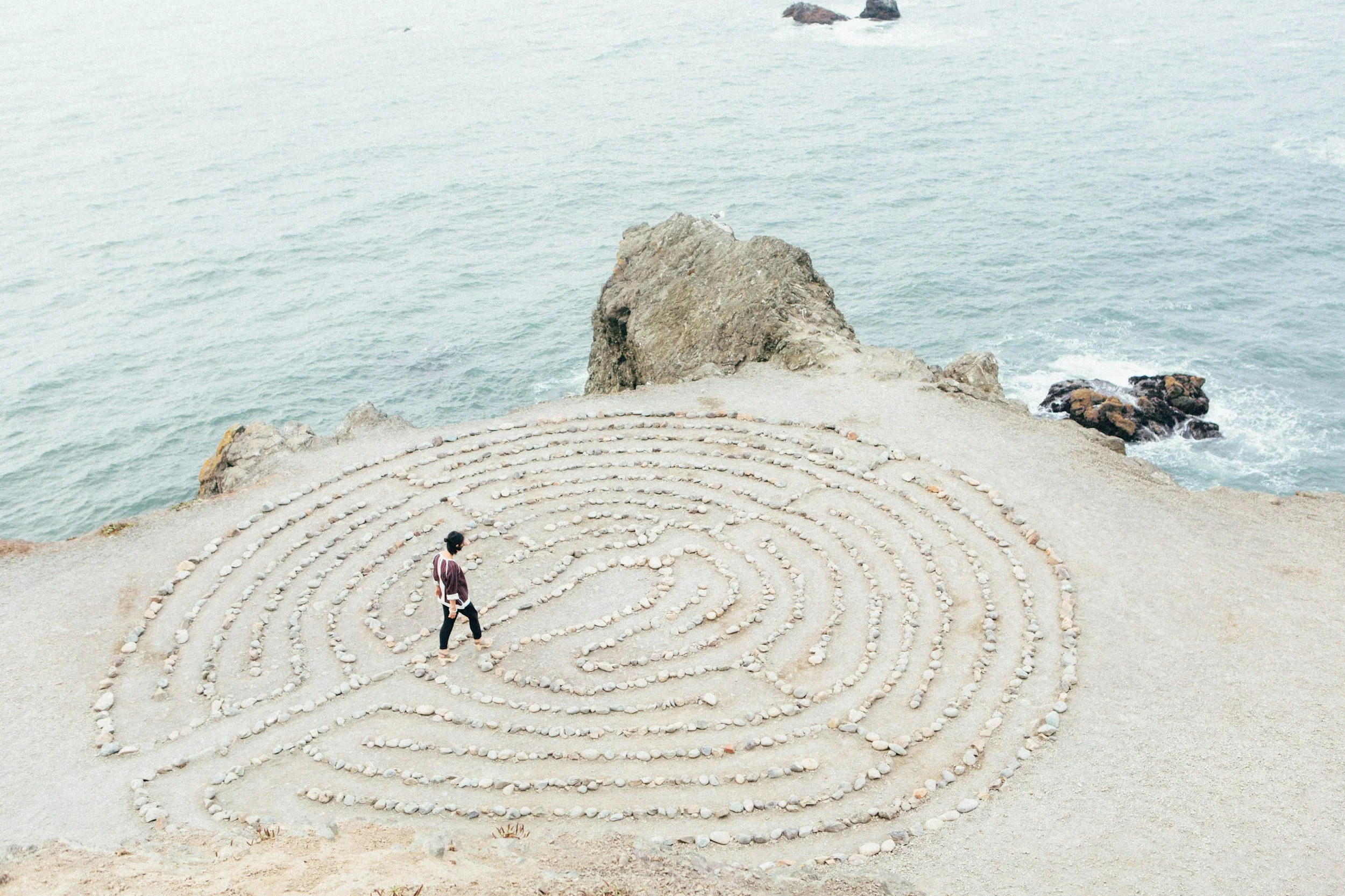
In today’s fast-paced world, it’s easy to fall into a mindset of past or future thinking. Did my boss like my big presentation? What if my flight gets delayed? What’s for dinner tonight? But gratitude is rooted in the present and recognizing the goodness within the current moment. When we intentionally pause to notice the good in our live we strengthen our capacity to stay grounded in the moment.
Try these micro-practices to tap into a more present, grateful mindset:
One minute of mindful breathing before starting your day
Noting one thing that felt nourishing or supportive after a hard day or experience
Acknowledging moments of beauty, even if small
Paying attention to these tiny bits of gratitude allows them to expand and grow.
Building a Gratitude Mindset
Part of being human is facing challenges, both big and small. Though pain shouldn’t be ignored, adopting a gratitude mindset will turn life’s obstacles into opportunities for growth. It’s a simple shift that allows one to meet difficulty with a sense of compassion and curiosity, which supports resilience, patience, emotional clarity, and compassion towards ourselves and others.

How to Move From Feeling Grateful to Living Gratefully
Tapping into a gratitude mindset feels like wrapping yourself in a cozy blanket. When we allow ourselves to feel appreciation in the body, our breath softens, our muscles loosen, and our hearts feel more spacious. This is because gratitude carries a distinct energetic frequency, marked by openness, warmth, and coherence.
Cultural and Spiritual Roots of Gratitude
Across cultures, gratitude has been woven into daily life through expressions in prayer, song, and rituals of connection to the land. Indigenous traditions, in particular, teach us to honor the interconnectedness of all beings. At Mongata Healing Center, we acknowledge and honor these lineages and emphasize gratitude practices that are rooted in respect, reverence, and ethical awareness.

How Gratitude Improves Mental and Emotional Well-Being
Appreciating the little things in life activates the parasympathetic nervous system, or the body’s natural “rest and restore” state. The more the body goes into a parasympathetic state, the better digestion, sleep, and emotional regulation become. Practices like breathwork, sound healing, and meditation amplify this effect, helping the heart and mind return to balance.
Gratitude as an Anchor for Anxiety and Depression
When anxiety arises, the mind tends to focus on what is missing. Gratitude gently shifts the lens to what is already here.
If you’re dealing with an emotionally challenging day or gratitude feels difficult to access, focus on these prompts to reset:
What is one thing supporting me right now?
What is one small thing I can appreciate?
Where can I soften, even slightly?
Emotional Transformation Through Gratitude
Gratitude does not erase grief, fear, or anger, but it helps us stay connected while moving through them. Gratitude invites understanding, empathy, and meaning by turning emotional pain into deeper self-knowing and connection.

Rituals and Practices to Cultivate Gratitude
One of the most effective ways to tap into a gratitude mindset is through journaling. Putting pen to paper helps thoughts and ideas stick in your brain. Most people find it helpful to stick to gratitude journaling either first thing in the morning or right before they go to bed. Try one or all of these prompts during each journaling session:
Three things I appreciate today
One thing I learned
One moment of beauty or connection
Creating a Daily Gratitude Ritual
Outside of journaling, these simple daily rituals will help anchor you in the present moment and access gratitude:
Lighting a candle with intention
Acknowledging gratitude before meals
Placing a hand on the heart and taking a slow breath
Group and Community Gratitude Practices
Though gratitude may feel like a private practice, it grows when it is shared with others. Participating in healing circles, cacao ceremonies, or group meditation or sound bath sessions can create resonance and connection. Explore Mongata’s group offerings and event calendar to book a class, workshop, or online experience designed to help you better connect to yourself and others.

Gratitude in the Age of Social Media
The Comparison Trap
Our social media profiles often serve as highlight reels, showcasing life’s high points rather than the day-to-day reality. This can cause us to fall into a cycle of comparison, where we wish we held the same financial, relationship, or family status as our peers seem to have. Online sharing can pressure people to look grateful rather than feel it, so it’s important to practice mindful consumption to reconnect with authentic gratitude.
Sharing Gratitude Authentically
Social media is designed to offer small hits of dopamine and keep you coming back for more. Receiving likes and positive comments on a post feels validating, but becoming overly concerned with how other people react to your social media presence can draw you away from authentic gratitude. If you find yourself unable to post moments of gratitude as a reflection rather than a performance, it might be time to take a break from social media through a digital detox. Set boundaries for yourself, such as turning off your phone after 8 p.m. or deleting your apps for a month to reset your relationship to social media.
Turn Your Screen into a Mirror of Awareness
Have you ever lost track of time while scrolling on your phone? Or have you picked up your phone with a task in mind and somehow ended up on one of your social media apps? This brief meditation can transform digital engagement into mindful awareness.
Before scrolling, try this: Take one breath. Ask yourself, what am I seeking right now?

Bringing Gratitude into Daily Life
Like any good habit, gratitude is built through repetition. Consistency matters much more than perfection, so start small to incorporate gratitude into your daily life. Pause during these moments to think about something you’re grateful for:
First thing when you wake up, before grabbing your phone or brushing your teeth
While sipping your morning coffee or tea
While moving through your day. A cool breeze, a friendly smile, or a colorful sunset can trigger feelings of gratitude.
Gratitude and Connection
Expressing gratitude strengthens relationships, empathy, and community. You might:
Thank a loved one via a simple text, email, or a greeting card
Acknowledge an elder or mentor
Offer appreciation to the land that supports you
Living with Grateful Awareness
Once your gratitude practice is strengthened, you’ll notice that it becomes less of a task and more of an intrinsic part of your life. Each moment of awareness is part of the healing path.

Gratitude Heals
Science and spirituality offer two languages for describing the same truth: gratitude nourishes the heart, supports the mind, restores the nervous system, and deepens connection. It invites us into presence, softens the edges of our experience, and reminds us of the beauty that is already here.
Remember: Gratitude is alive. Just like a garden, it grows as we tend to it. And as we practice, we return to the knowing that we are held, supported, and connected to something greater.
At Mongata Healing Center, we invite you to explore gratitude as a daily practice, a healing resource, and a doorway to deeper presence in your life.
Frequently Asked Questions About Gratitude
What does science say about gratitude and the brain?
Gratitude activates neural pathways linked to reward and empathy, enhancing positive emotions and resilience.
Can practicing gratitude improve mental health?
Yes. Research shows that a regular gratitude practice reduces anxiety and depression while promoting optimism and emotional balance.
How can I express gratitude every day?
Through journaling, mindful breathing, or simply pausing to feel grateful for what’s here.
Does gratitude affect physical health too?
Absolutely. Grateful people tend to sleep better, have lower levels of stress, and report improved physical health overall.
How do I stay authentic when sharing gratitude on social media?
Be intentional. Focus on genuine appreciation rather than performance, and try to limit comparing your situation to others.
