
How to Find a Hobby
Childhood and adolescence offer the freedom to explore, tinker, create, and play without an agenda attached. When your days were wide open and curiosity led the way, you didn’t need a reason to pick up a paintbrush, learn a song, kick around a soccer ball, or spend an afternoon building something just to see if you could. Then life shifted into adulthood and the responsibilities of work, bills, relationships, and family obligations began quietly crowding the space where hobbies once lived. Suddenly, you can’t remember the last time you did something purely for the joy of it.
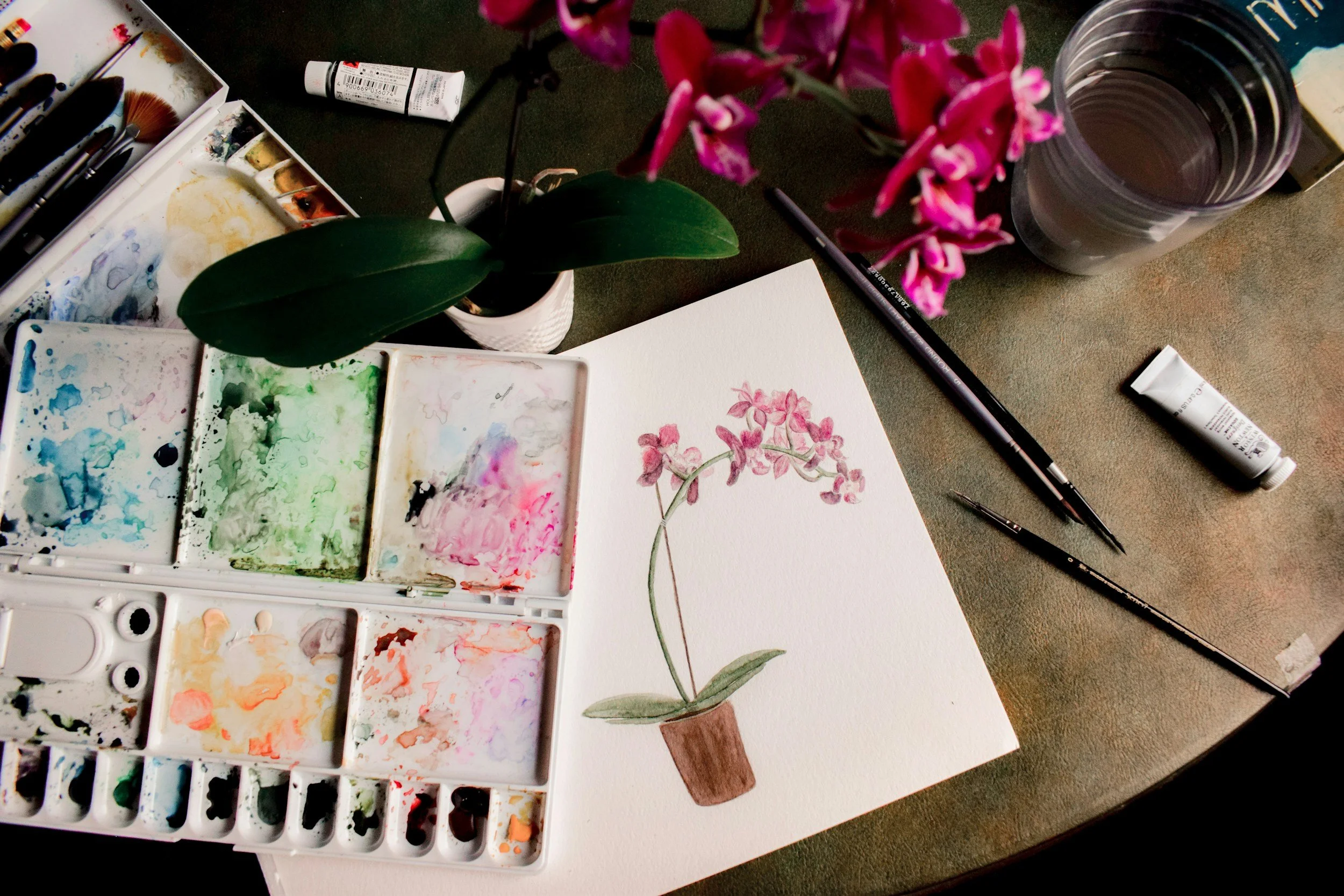
If you've been feeling like something is missing in your life but you can't quite pinpoint it, you may be longing to reconnect with that earlier version of yourself. One way to clear some space in your life and access your inner child is by engaging in a consistent hobby. But finding a hobby as an adult is sometimes easier said than done. Use this guide as a starting point to rediscover what lights you up and take that first gentle step toward making time for yourself again.
Why Hobbies Matter More Than You Think
Research consistently shows that engaging in leisure activities lowers cortisol levels, reduces symptoms of anxiety and depression, and improves your overall sense of well-being. When you have something to look forward to outside of work and daily obligations, your nervous system responds: You sleep better, you feel more present, and you show up more fully for the people around you.
Beyond the science, there's something deeply human about making time for play and creativity. You were never meant to exist only in productivity mode. Hobbies provide the opportunity to take a mental break, practice mindfulness, and even build a community. Carving out space for joy is an act of self-respect.
How to Find a Hobby That Actually Fits Your Life
The key to finding a hobby you'll stick with is choosing something that resonates with your lifestyle and who you are right now—not who you think you should be or who you were at 22 years old. Here are some practical ways to begin.
Reflect on What Used to Light You Up
Think back to childhood or early adulthood. What did you love to do before life got complicated? Maybe you spent hours drawing, reading, gardening, playing basketball, or making things with your hands. Those old sparks are worth revisiting. You might be surprised how naturally they come back.
If nothing obvious comes to mind, try asking yourself: What would I do if I had a free Saturday afternoon and no one was watching? That answer holds a lot of wisdom. Or if you want to take an even deeper dive into understanding yourself, Human Design is a helpful tool in discovering what makes you tick.

Follow Curiosity, Not Pressure
Give yourself permission to explore things simply because they interest you, whether that's learning a new language, watercolor painting, or birdwatching. Keep in mind that not every hobby needs to be “productive” or turn into a side business, and it’s perfectly fine if you’re not good at it right away. Approach new interests with softness and curiosity.
Try Before You Commit
One of the most common mistakes people make when figuring out how to find a hobby is feeling like they need to go all-in immediately. Instead, dip your toes in by taking a single class, watching a few tutorials, or spending one afternoon experimenting. Not every activity will feel like the right fit. Allow yourself to try new things and move on until something clicks.
Look for Community
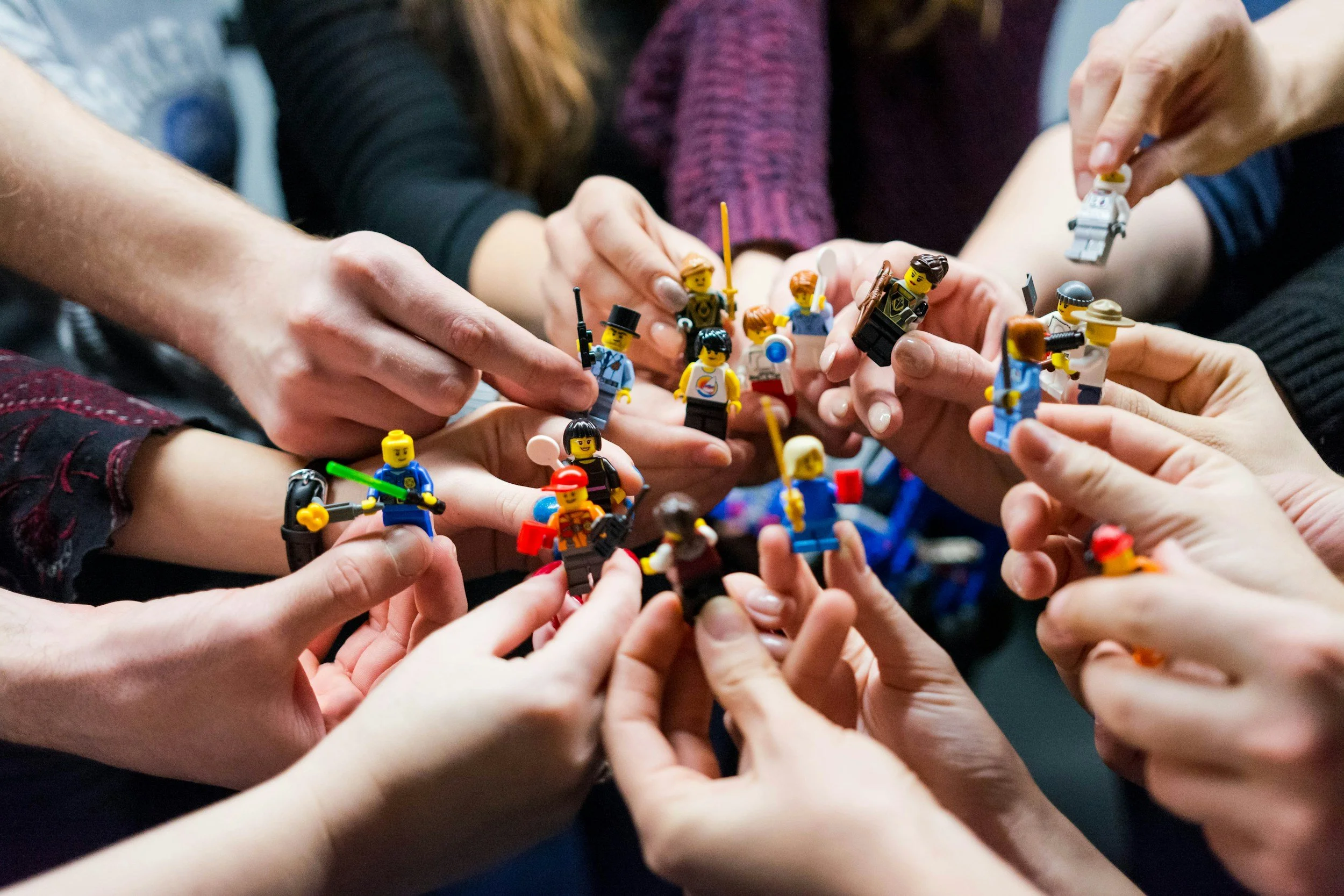
If you've been feeling isolated or disconnected, a group-based hobby is a beautiful way to build belonging. Joining a book club, a running group, or a community garden introduces you to people who share your interests, and that social connection can be its own kind of nourishment.
Be Realistic About Your Time
Before you dive into a new hobby, take an honest look at your schedule and think about how much time you can realistically carve out. Some hobbies are flexible and easy to pick up in small pockets of time, like journaling, sketching, or reading. Others, like pottery classes or recreational sports leagues, require a more consistent commitment.
Hobby Ideas That Support Your Mental Health
When it comes to emotional well-being, not all hobbies are created equal. The following ideas foster a sense of grounding and connection to your inner world.
Creative and Crafting Hobbies
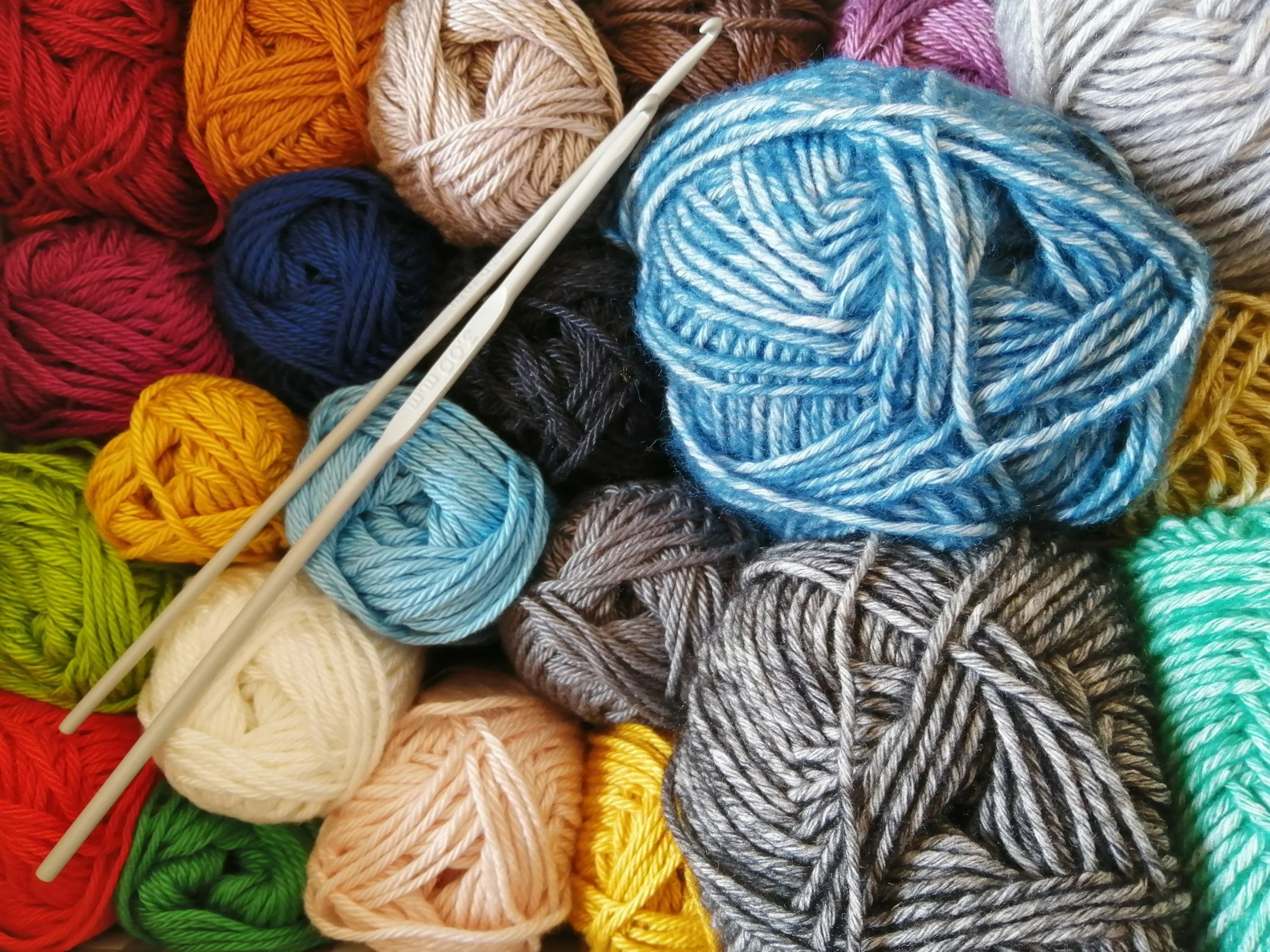
Working with your hands can be profoundly healing. Knitting, painting, collaging, ceramics, and woodworking all invite you to drop into a state of calm focus. When you're absorbed in creating something, the mental chatter quiets and you arrive in the present moment.
Journaling and Writing
Whether you keep a mindfulness journal, write poetry, or simply dump your thoughts on the page, writing helps you process emotions, gain clarity, and reconnect with your inner voice. Plus, it’s one of the most accessible hobbies there is—the only tools you need are a pen and paper (or a laptop).
Nature-Based and Movement Hobbies
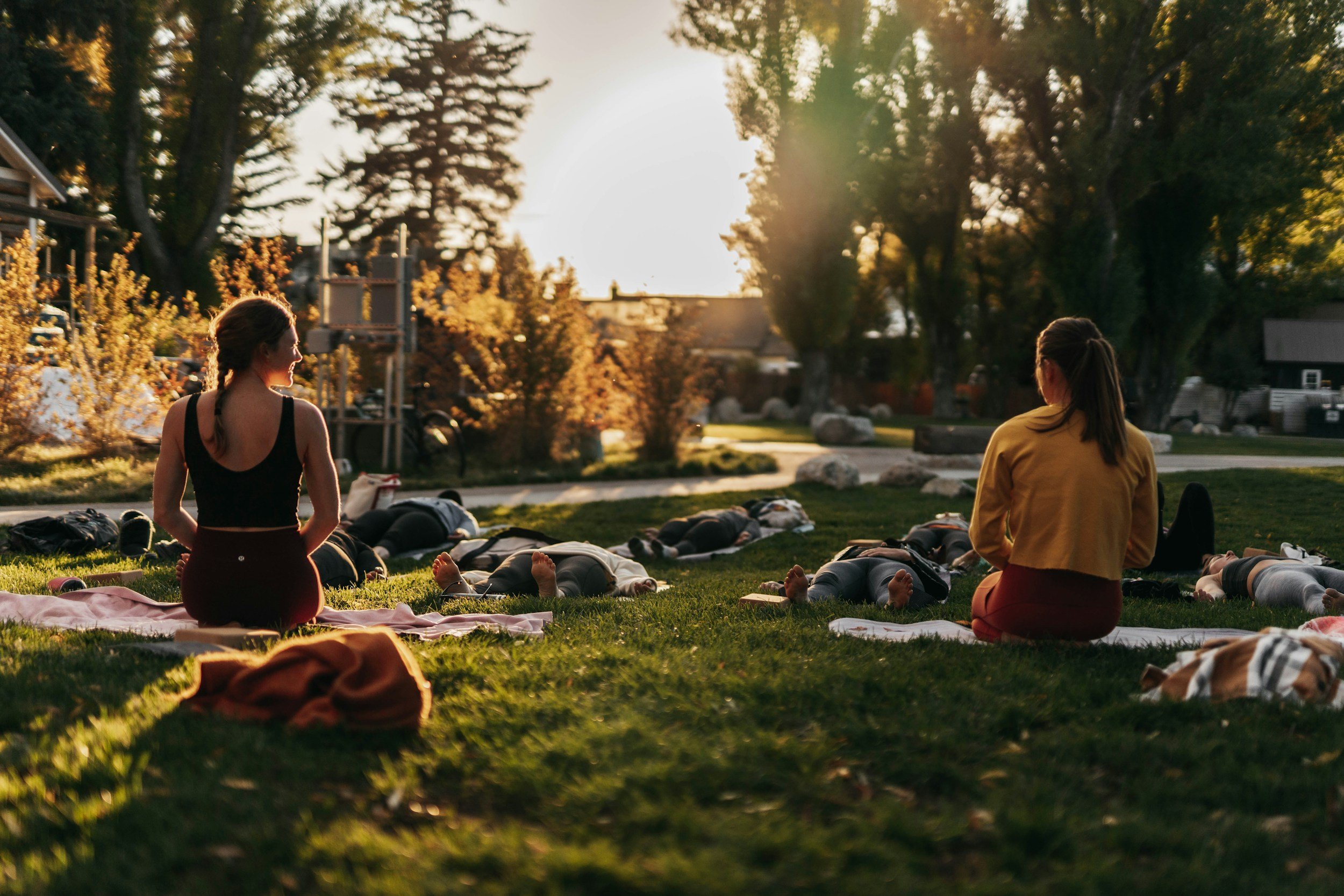
The Environmental Protection Agency estimates that Americans spend roughly 90 percent of their lives indoors, yet our nervous systems are wired for the natural world. Getting outside for activities like hiking, skiing, or group sports can reduce stress hormones and restore a sense of peace. You don’t have to be a star athlete to join a team; many communities have organizations that cater to all skill levels. Even adopting an outdoor walking routine can transform your headspace, especially when done in an intentional, meditative way.
Gardening and Cultivating Living Things
Tending to a living space, whether it's a windowsill herb garden or a backyard sanctuary, feeds the soul. Gardening is worth exploring if you’re drawn to beauty, growth, and quiet reflection. And if you’re more of a social cultivator, the gardening community is a hotbed for group classes, workshops, and clubs.

Cozy, Ritualistic Hobbies
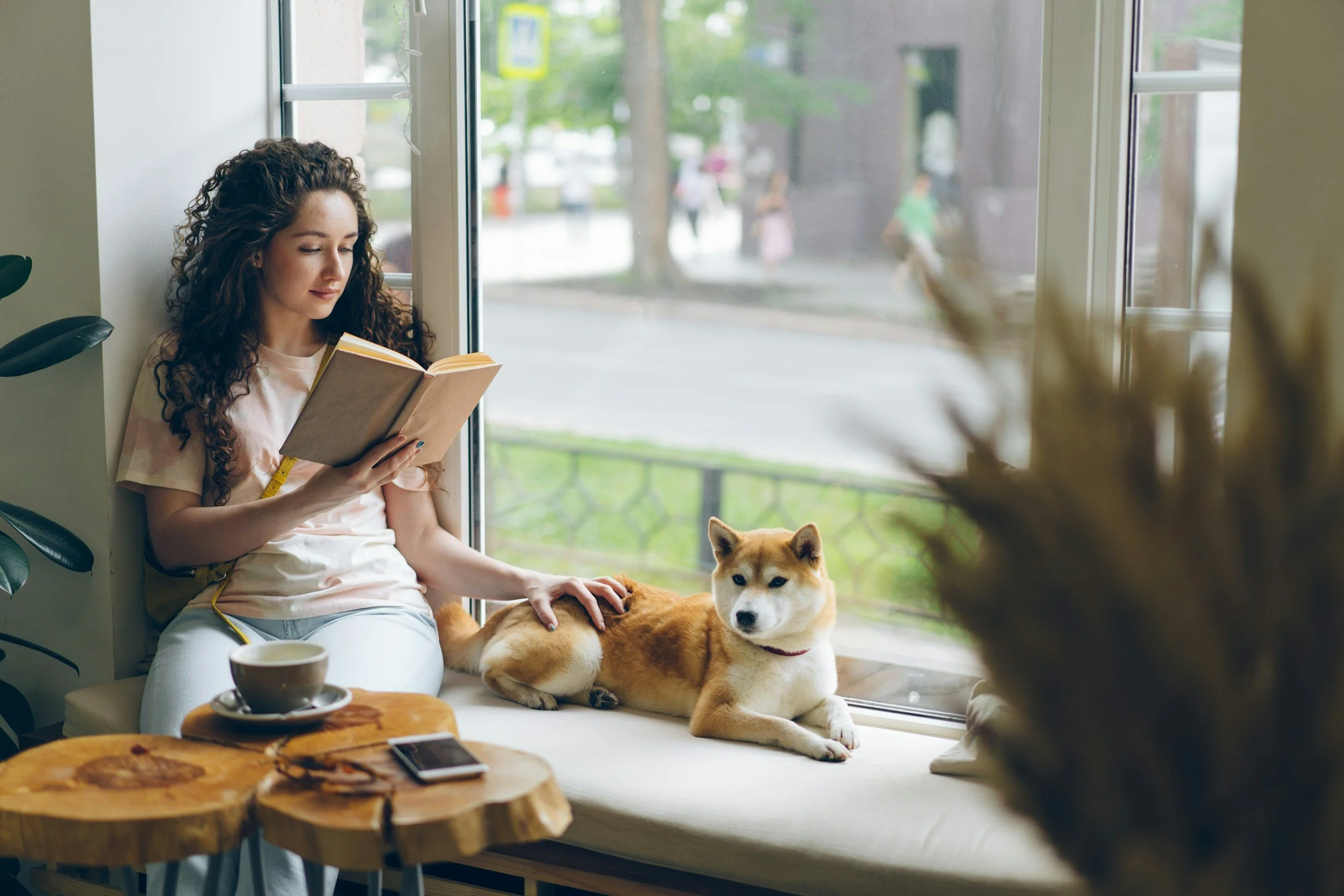
Some of the most nourishing hobbies are the ones woven into the rhythm of ordinary life. Small, sensory practices like brewing tea, baking bread, or reading deserve to be honored as hobbies in their own right. Putting down your phone and turning off the TV to build more space for rituals throughout your week will help you feel more centered and connected to your inner workings.
What to Do When You Feel Stuck
You might feel a little lost when you embark on the journey to finding a hobby that you enjoy. Don’t fret; that feeling is completely normal when stepping outside your comfort zone. Here are some gentle nudges if you're hitting a wall:
Stop waiting for the right moment.
While finding a hobby that fits into your weekly or monthly schedule will help you stay consistent, there will never be a perfect time to try something new. And when you do discover a hobby that genuinely lights you up, you’ll find yourself creating space in your schedule for it. So put aside your to-do list and carve out just 15 minutes a week to open yourself up to new activities.
Release expectations.
A new hobby might not immediately click; don’t get defeated. Approach each experience as an opportunity for learning, exploration, and growth.
Let your hobbies evolve.
What serves you in one season of life may shift in another. Instead of thinking of your hobbies as a marker or your identity or a permanent fixture, allow them to be a source of joy, playfulness, and presence.

Your Hobby Awaits
You were never meant to move through life without joy in it. Finding a hobby isn't about adding one more thing to your list; it's about eliminating the idea that your needs come last. When you make space for something that lights you up, even in a small way, you invest in your wellbeing—an act of self love that ripples outward into every part of your life.
FAQs About Finding a Hobby as an Adult
What is a good hobby for adults?
The best hobbies feel genuinely appealing, not obligatory. Movement-based hobbies help you reconnect with your body; creative hobbies offer emotional release and expression; nature-based hobbies restore a sense of calm and groundedness. The most important thing is that it brings you some form of joy, relaxation, or aliveness.
What are popular crafts for adults?
Some of the most popular crafts for adults include knitting and crocheting, watercolor and acrylic painting, hand lettering and calligraphy, candle and soap making, pottery and ceramics, collaging, embroidery, and paper crafts. Many of these can be started with minimal supplies and learned through free online tutorials or local workshops.
How does crafting support mental health?
Crafting engages the hands and quiets the mind—a combination that naturally reduces stress and anxiety. When you're focused on a creative task, your brain enters a state similar to flow or meditation, which lowers cortisol and supports emotional regulation. Crafting also provides a tangible sense of accomplishment, which can boost self-esteem and mood.
